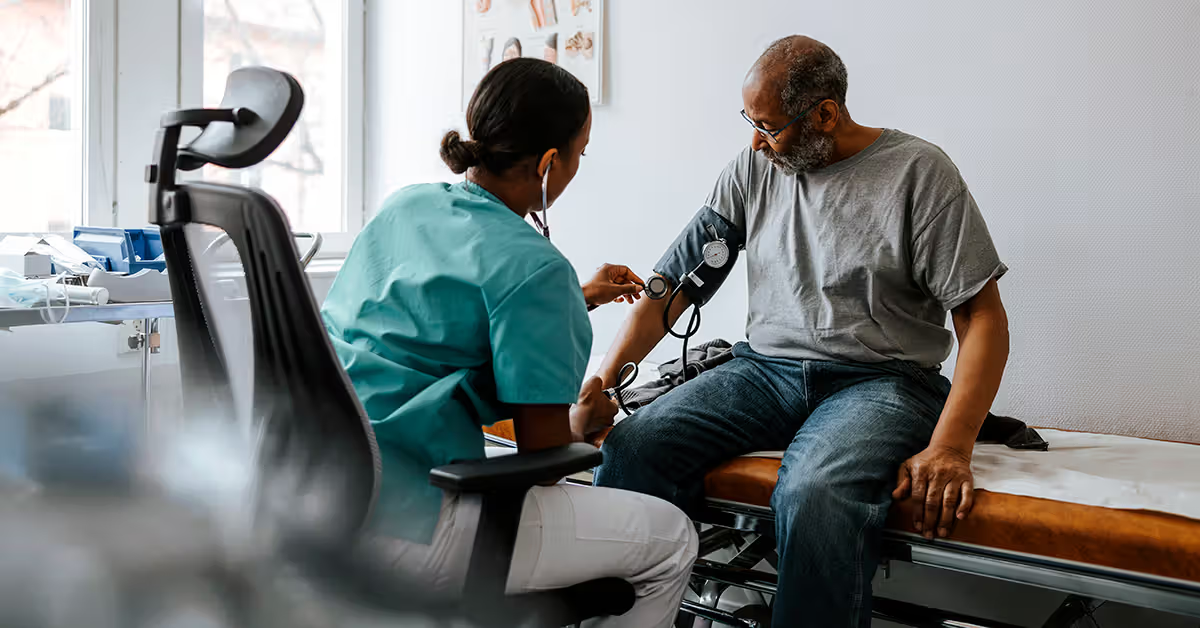

Hypertension, also known as high blood pressure, is one of the most common health problems in the world today. Many people live with it without even knowing it, which makes it a “silent danger.” If not controlled, it can lead to serious issues like heart disease, stroke, kidney failure, and other complications. This is why a hypertension and blood pressure management doctor plays a very important role in helping people live longer and healthier lives.
- What is Hypertension?
- Why Hypertension Happens
- 1. Unhealthy Diet
- 2. Lack of Exercise
- 3. Stress
- 4. Family History
- 5. Age Factor
- 6. Obesity
- 7. Smoking and Alcohol
- Role of a Hypertension and Blood Pressure Management Doctor
- Treatment Methods for Hypertension
- Importance of Regular Monitoring
- Complications of Untreated Hypertension
- How You Can Support Your Treatment
- When Should You See a Doctor?
- Final Thoughts
- FAQs
In this article, we will explain what hypertension is, why it happens, how doctors manage it, and how you can take care of your blood pressure in simple and practical ways.
What is Hypertension?
Blood pressure is the force of blood pushing against the walls of your arteries. When this pressure becomes too high for a long time, it is called hypertension.
A normal blood pressure level is usually around 120/80 mmHg. When your reading consistently goes above 140/90 mmHg, doctors may diagnose it as hypertension.
Hypertension is dangerous because it forces your heart to work harder than normal. Over time, this extra pressure can damage your blood vessels and organs.
Why Hypertension Happens
A hypertension and blood pressure management doctor often explains that there is not just one cause of high blood pressure. Instead, many factors can contribute:
1. Unhealthy Diet
Eating too much salt, fried food, fast food, and processed snacks can increase blood pressure.
2. Lack of Exercise
When you don’t move your body enough, your heart becomes less efficient, and blood pressure may rise.
3. Stress
Long-term stress can affect hormones and cause your blood pressure to stay high.
4. Family History
If your parents or grandparents had hypertension, you are more likely to develop it.
5. Age Factor
As people get older, blood vessels become less flexible, which can increase blood pressure.
6. Obesity
Extra body weight puts more pressure on the heart and increases risk of hypertension.
7. Smoking and Alcohol
These habits damage blood vessels and raise blood pressure levels.
Role of a Hypertension and Blood Pressure Management Doctor
A hypertension and blood pressure management doctor is a medical expert who focuses on diagnosing, treating, and controlling high blood pressure. Their main goal is to reduce the risk of heart attack, stroke, and other complications.
Here is what they usually do:
1. Diagnosis
The doctor checks your blood pressure using a device called a sphygmomanometer or digital monitor. They may ask you to check it multiple times to confirm the condition.
2. Medical History Review
They ask about your lifestyle, diet, family history, stress levels, and symptoms.
3. Lab Tests
Sometimes, doctors recommend blood tests, urine tests, or ECGs to check overall health.
4. Treatment Plan
Based on your condition, they create a personalized plan that may include medications and lifestyle changes.
Treatment Methods for Hypertension
A hypertension and blood pressure management doctor usually uses a combination of treatments:
1. Medicines
Doctors may prescribe medications such as:
- Diuretics (help remove excess salt and water)
- Beta-blockers (slow down heart rate)
- ACE inhibitors (relax blood vessels)
- Calcium channel blockers (improve blood flow)
These medicines help control blood pressure and protect organs.
2. Lifestyle Changes
Medication alone is not enough. Doctors strongly recommend lifestyle improvements such as:
- Reducing salt intake
- Eating more fruits and vegetables
- Avoiding junk food
- Exercising regularly
- Maintaining a healthy weight
- Quitting smoking
- Limiting alcohol
3. Stress Management
Doctors may suggest relaxation techniques like:
- Deep breathing exercises
- Yoga
- Meditation
- Regular sleep schedule
Importance of Regular Monitoring
One of the most important roles of a hypertension and blood pressure management doctor is continuous monitoring. Blood pressure can change daily based on stress, diet, or activity.
Regular check-ups help:
- Track progress
- Adjust medications
- Prevent complications
- Ensure treatment is working properly
Many patients are also advised to check their blood pressure at home using digital monitors.
Complications of Untreated Hypertension
If high blood pressure is ignored, it can lead to serious health problems such as:
- Heart attack
- Stroke
- Kidney damage
- Vision loss
- Heart failure
- Artery damage
This is why early diagnosis and treatment are very important.
How You Can Support Your Treatment
Even if you are under a doctor’s care, your daily habits matter a lot. A hypertension and blood pressure management doctor will always encourage patients to take an active role in their health.
Here are some simple tips:
- Walk at least 30 minutes daily
- Drink enough water
- Eat homemade food instead of processed food
- Avoid too much caffeine
- Reduce screen stress and take breaks
- Sleep at least 7–8 hours
Small changes can make a big difference over time.
When Should You See a Doctor?
You should visit a hypertension and blood pressure management doctor if:
- Your blood pressure is consistently high
- You experience headaches or dizziness
- You feel chest pain or shortness of breath
- You have a family history of hypertension
- You are over 40 and have not checked your BP recently
Early consultation can prevent serious health issues.
Final Thoughts
Hypertension is a long-term condition, but it can be controlled very effectively with the help of a skilled doctor and healthy lifestyle choices. A hypertension and blood pressure management doctor not only treats the condition but also guides patients toward better habits, safer living, and long-term wellness.
The key message is simple: don’t ignore your blood pressure. Regular check-ups, proper treatment, and healthy living can protect your heart and improve your quality of life.
FAQs
1. What does a hypertension and blood pressure management doctor do?
They diagnose, treat, and manage high blood pressure using medicines, tests, and lifestyle guidance to prevent complications.
2. Can hypertension be cured permanently?
In most cases, it cannot be fully cured, but it can be controlled very effectively with treatment and lifestyle changes.
3. How often should I check my blood pressure?
If you have hypertension, you should check it regularly—often daily or weekly as advised by your doctor.
4. Is high blood pressure always dangerous?
Yes, if left untreated. It can silently damage your heart, brain, and kidneys over time.
5. Can lifestyle changes alone control hypertension?
In mild cases, yes. But many people also need medication prescribed by a doctor for proper control.