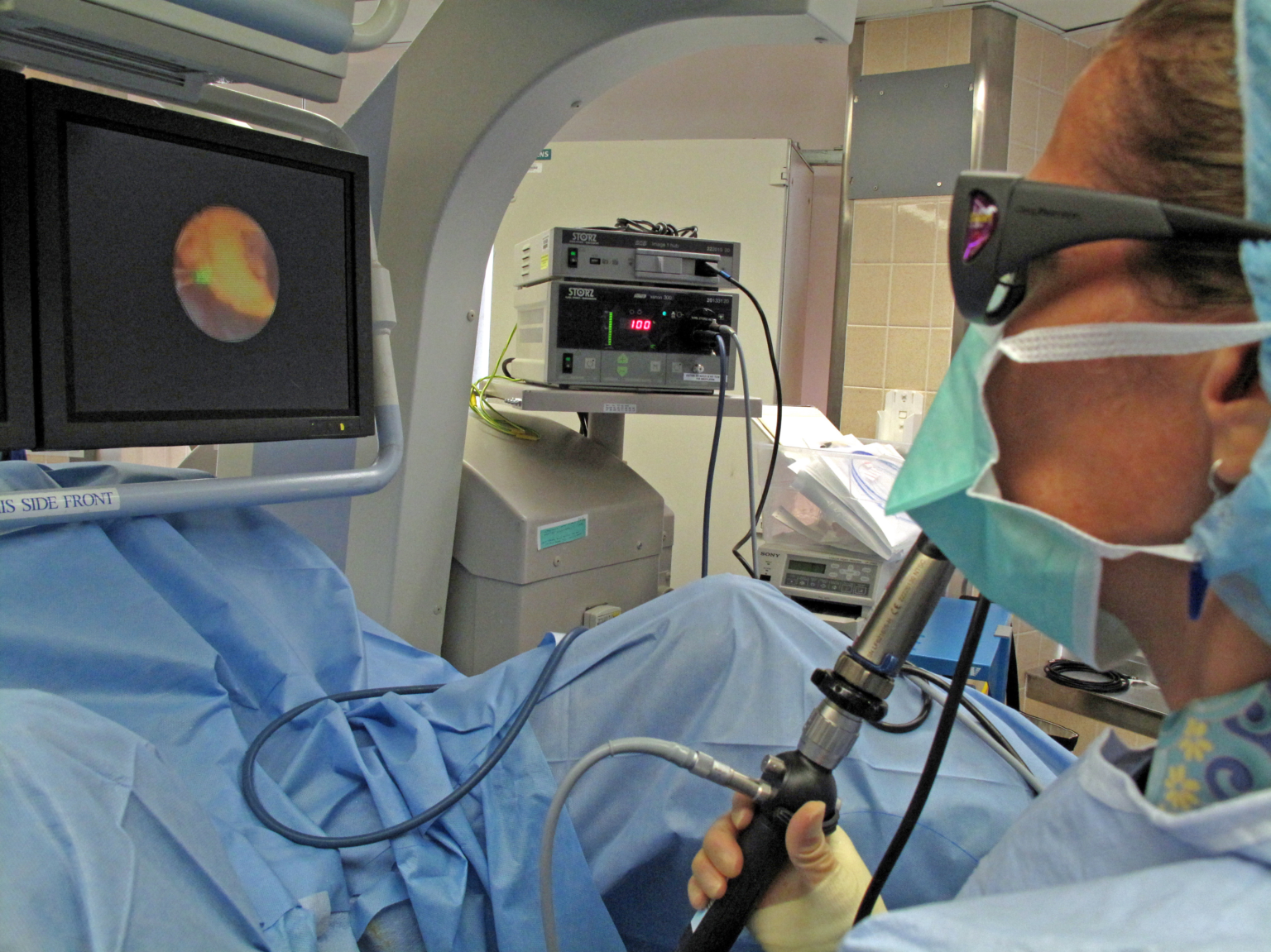

Kidney stones are one of the most painful and common urinary problems people face today. Many patients search for the best urologist for kidney stone laser treatment because modern laser technology has made stone removal faster, safer, and less painful than traditional surgery. If you or someone you know is suffering from kidney stones, understanding how laser treatment works and how to choose the right urologist can make a big difference in recovery.
- What Are Kidney Stones?
- What Is Laser Treatment for Kidney Stones?
- Why Choosing the Best Urologist Matters
- Qualities of the Best Urologist for Kidney Stone Treatment
- 1. Experience in Laser Procedures
- 2. Modern Medical Equipment
- 3. Good Patient Reviews
- 4. Clear Communication
- 5. Hospital Facilities
- Who Needs Laser Kidney Stone Treatment?
- Recovery After Laser Treatment
- How to Choose the Best Urologist for Kidney Stone Laser Treatment
- 1. Research Online
- 2. Check Experience
- 3. Ask for Recommendations
- 4. Visit the Clinic
- 5. Compare Costs and Facilities
- Advantages of Laser Treatment Over Traditional Surgery
- Preventing Kidney Stones in the Future
- Final Thoughts
In this article, we will explain everything in simple and easy language—what kidney stones are, how laser treatment works, and how to find the right specialist for your care.
What Are Kidney Stones?
Kidney stones are hard mineral deposits that form inside your kidneys. They are made when certain substances in urine—like calcium, oxalate, and uric acid—stick together and form crystals.
These stones can vary in size:
- Small stones may pass naturally through urine without treatment
- Medium stones can cause pain and discomfort
- Large stones may block urine flow and need medical treatment
Common symptoms include:
- Severe pain in the back or side
- Pain while urinating
- Blood in urine
- Frequent urge to urinate
- Nausea or vomiting
When stones become too large or painful, doctors recommend advanced treatments like laser removal.
What Is Laser Treatment for Kidney Stones?
Laser treatment is a modern medical procedure used to break kidney stones into tiny pieces so they can pass easily through urine.
The most common method is called Laser Lithotripsy. In this procedure, a urologist uses a thin tube called a ureteroscope, which is inserted through the urinary tract. A laser fiber is then used to break the stone into small fragments.
How it works:
- The doctor inserts a small scope into the urinary tract
- The stone is located using a camera
- A laser is directed at the stone
- The stone is broken into sand-like pieces
- These pieces pass naturally through urine
Benefits of laser treatment:
- No large cuts or stitches
- Less pain after surgery
- Quick recovery
- High success rate
- Short hospital stay (sometimes same-day discharge)
Why Choosing the Best Urologist Matters
Finding the best urologist for kidney stone laser treatment is very important because the success of the procedure depends heavily on the doctor’s skill and experience.
A good urologist can:
- Accurately locate and remove stones
- Reduce complications
- Ensure faster recovery
- Use advanced laser technology effectively
Poor treatment or inexperienced doctors can lead to:
- Incomplete stone removal
- Infection
- Repeat procedures
- Longer recovery time
That is why choosing the right specialist is just as important as the treatment itself.
Qualities of the Best Urologist for Kidney Stone Treatment
When searching for a trusted urologist, here are some important qualities to look for:
1. Experience in Laser Procedures
A skilled urologist should have years of experience in laser kidney stone removal. The more procedures they have performed, the better their accuracy and confidence.
2. Modern Medical Equipment
The best urologists use advanced laser machines and minimally invasive tools for better results and safety.
3. Good Patient Reviews
Patient feedback helps you understand how successful and caring the doctor is.
4. Clear Communication
A good doctor explains the condition, treatment process, and recovery steps in simple language.
5. Hospital Facilities
The hospital or clinic should have proper surgical rooms, emergency care, and post-treatment support.
Who Needs Laser Kidney Stone Treatment?
Not everyone with kidney stones needs surgery. However, laser treatment is recommended when:
- Stones are too large to pass naturally
- Pain is severe and ongoing
- Stones are blocking urine flow
- Infection is present due to stones
- Other treatments have failed
Your urologist will perform tests like ultrasound, CT scan, or X-ray to decide the best treatment option.
Recovery After Laser Treatment
One of the biggest advantages of laser kidney stone treatment is quick recovery.
After the procedure:
- Patients may go home the same day or next day
- Mild burning during urination is normal for a few days
- Drinking plenty of water helps flush out stone fragments
- Most people return to normal life within 2–5 days
Doctors may prescribe:
- Pain relievers
- Antibiotics
- Medications to relax the urinary tract
Following the doctor’s instructions is very important for full recovery.
How to Choose the Best Urologist for Kidney Stone Laser Treatment
Here are simple steps to help you find the right specialist:
1. Research Online
Search for urologists in your area and read reviews from other patients.
2. Check Experience
Look for doctors who specialize in kidney stone laser procedures.
3. Ask for Recommendations
Family doctors or friends may suggest trusted specialists.
4. Visit the Clinic
A consultation helps you understand the doctor’s approach and behavior.
5. Compare Costs and Facilities
Don’t choose only based on price. Quality treatment is more important.
Advantages of Laser Treatment Over Traditional Surgery
Laser treatment has replaced many older surgical methods because it is safer and more advanced.
Compared to traditional surgery, laser treatment offers:
- No large cuts
- Less bleeding
- Minimal hospital stay
- Faster recovery
- Less risk of infection
This is why most modern urologists prefer laser-based procedures.
Preventing Kidney Stones in the Future
Even after successful treatment, kidney stones can come back. Prevention is very important.
Simple tips include:
- Drink 8–10 glasses of water daily
- Reduce salt intake
- Avoid too much processed food
- Limit sugary drinks
- Eat more fruits and vegetables
- Follow your doctor’s diet advice
Regular checkups with your urologist can also help prevent recurrence.
Final Thoughts
Searching for the best urologist for kidney stone laser treatment is an important step toward safe and effective recovery. Laser technology has made kidney stone removal easier, but the skill of the urologist plays the biggest role in success.
A good urologist not only removes the stone but also guides you on how to prevent future stones. Always choose a qualified, experienced, and well-reviewed specialist for the best results.
With the right care, kidney stones can be treated quickly, and patients can return to normal life without long-term problems.
Frequently Asked Questions (FAQ)
1. Is laser treatment for kidney stones painful?
No, the procedure is usually done under anesthesia, so you do not feel pain during surgery. Mild discomfort may happen after treatment but goes away in a few days.
2. How long does laser kidney stone treatment take?
The procedure usually takes between 30 minutes to 1.5 hours depending on the size and location of the stone.
3. Is hospital stay required after laser treatment?
In many cases, patients go home the same day. Some may stay overnight for observation.
4. Can kidney stones come back after laser treatment?
Yes, kidney stones can return if lifestyle and diet are not controlled. Drinking enough water and following a healthy diet helps prevent recurrence.
5. How do I know if I need laser treatment or not?
Your urologist will decide based on scan reports. If stones are large, painful, or blocking urine flow, laser treatment is usually recommended.