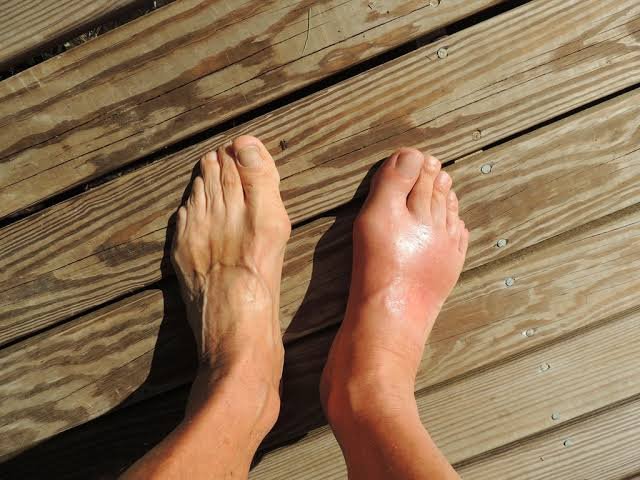

Flat feet occur when the arches of the feet are low or absent, causing most or all of the soles to touch the ground. While some individuals experience no symptoms, others may develop foot pain and discomfort in the ankles or legs. Here is more information on how flat feet can impact your overall foot health:
Disrupts Foot Alignment
When arches collapse, the alignment of your feet shifts, and that change can travel upward through your ankles, knees, and hips. Your feet are the base of your posture, so any tilt in your feet affects how your body distributes weight. Adults with flat feet often roll their ankles inward, a pattern that alters natural balance and steadiness. This shift shows up in several ways. Here are some of them:
- Inward-rolling ankles: The ankle leans toward the midline, changing your stride and putting uneven pressure on the joint.
- Uneven shoe wear: Soles wear down faster on one edge because your weight lands unevenly across the foot.
- Reduced stability: Standing on uneven surfaces becomes harder when your arches cannot absorb and adjust to changes in ground contact.
Increases Pain and Fatigue
Flat feet change how your muscles and ligaments handle daily movement, often leading to soreness by the end of the day. The arch generally acts like a spring that absorbs shock, so when it flattens, your feet work harder to cushion each step. Standing for long periods, walking across firm floors, or climbing stairs may leave your feet feeling tired and heavy.
Fatigue tends to build gradually too. You may notice discomfort along the heel, the inner edge of the foot, or across the sole. These sensations signal that your feet carry more load than the arch structure can comfortably manage.
Strains Tendons and Joints
The tissues that hold your arch together face constant tension when the arch drops. One tendon in particular, the posterior tibial tendon, supports the inner arch, and it can become overworked when arches flatten. Ligaments and joints across the midfoot also absorb extra force, which adds strain over time. Here are several structures that carry added load:
- Tendons: These bands connect muscle to bone, and they stretch under repeated stress when the arch offers little support.
- Midfoot joints: These small joints handle bending and flexing, so they take on more work when the arch cannot share the load.
- Heel and ankle: These areas anchor your stride, and they bear uneven pressure when alignment shifts inward.
Limits Mobility and Activities
Discomfort from flat feet can affect how much you move throughout the day. Adults who once walked, jogged, or stood comfortably may start avoiding activities that trigger soreness. This gradual pullback affects daily routines, fitness goals, and even errands that involve time on your feet.
Reduced movement can create a cycle. Less activity weakens the muscles that support your feet, so the arches lose even more of their backup. Weaker support can then increase discomfort, making movement harder.
Schedule Your Flat Feet Evaluation
Flat feet can create a cycle of discomfort and reduced mobility, often caused by weakened muscles and insufficient arch support. Addressing this issue requires a comprehensive approach, including supportive orthotics, targeted exercises, and proper footwear to improve comfort and restore function. Contact a qualified podiatrist near you to schedule your flat feet evaluation today.