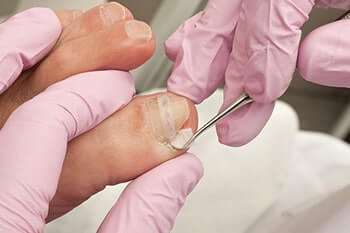

An ingrown toenail might seem like a small problem, but anyone who has experienced it knows how painful and frustrating it can be. When the edge of a toenail grows into the surrounding skin, it can cause redness, swelling, infection, and sharp pain. In many cases, home remedies are not enough, and the safest solution is to visit an ingrown toenail removal podiatrist.
- What Is an Ingrown Toenail?
- Common Causes of Ingrown Toenails
- Why Visit an Ingrown Toenail Removal Podiatrist?
- Treatment Options for Ingrown Toenails
- 1. Conservative Treatment (Mild Cases)
- 2. Partial Nail Removal (Moderate to Severe Cases)
- 3. Nail Matrix Treatment (For Recurrent Cases)
- What Happens During the Procedure?
- Recovery After Ingrown Toenail Removal
- Benefits of Professional Treatment
- How to Prevent Ingrown Toenails
- Trim Nails Properly
- Wear Comfortable Shoes
- Maintain Foot Hygiene
- Avoid Picking Nails
- Check Your Feet Regularly
- When Should You See a Podiatrist?
- Conclusion
- FAQs
A podiatrist is a medical specialist who focuses on foot and nail health. They are trained to treat all kinds of foot problems, including ingrown toenails. In this article, we will explain what causes ingrown toenails, how podiatrists treat them, what you can expect during the procedure, and how to prevent the problem from coming back.
What Is an Ingrown Toenail?
An ingrown toenail happens when the side or corner of a toenail grows into the soft skin around it instead of growing straight out. This usually affects the big toe, but it can happen on any toe.
When the nail presses into the skin, the body reacts as if it is a foreign object. This leads to:
- Pain and tenderness
- Redness around the nail
- Swelling of the toe
- Possible infection with pus or drainage
- Difficulty walking or wearing shoes
If left untreated, the condition can get worse and become infected, making professional treatment necessary.
Common Causes of Ingrown Toenails
Understanding the causes helps prevent future problems. Some of the most common reasons include:
1. Improper Nail Trimming
Cutting nails too short or rounding the edges encourages the nail to grow into the skin.
2. Tight Shoes
Shoes that squeeze the toes push the nail into the surrounding skin, increasing pressure.
3. Injury
Stubbing your toe or repeated pressure from sports can cause the nail to grow abnormally.
4. Genetics
Some people naturally have curved or thick nails, making them more prone to ingrown toenails.
5. Poor Foot Hygiene
Sweaty or unclean feet can increase the risk of infection around the nail area.
Why Visit an Ingrown Toenail Removal Podiatrist?
Many people try to treat ingrown toenails at home, but this is not always safe. A professional ingrown toenail removal podiatrist provides expert care that reduces pain and prevents complications.
Here’s why seeing a podiatrist is the best choice:
Expert Diagnosis
A podiatrist can determine how severe the ingrown toenail is and whether infection is present.
Safe Removal
They use sterile tools and medical techniques to remove the painful part of the nail safely.
Pain Relief
Most patients feel immediate relief after treatment.
Infection Treatment
If infection is present, the podiatrist may prescribe antibiotics or clean the area properly.
Prevention Advice
They guide you on how to avoid future ingrown toenails.
Treatment Options for Ingrown Toenails
A podiatrist may use different treatments depending on the severity of the condition.
1. Conservative Treatment (Mild Cases)
If the ingrown toenail is not infected, the podiatrist may:
- Lift the nail edge gently
- Place cotton or special material under the nail
- Recommend warm salt water soaks
- Suggest proper nail trimming techniques
2. Partial Nail Removal (Moderate to Severe Cases)
This is the most common treatment performed by an ingrown toenail removal podiatrist.
- The area is numbed with local anesthesia
- The ingrown part of the nail is carefully removed
- The remaining nail is shaped properly
- A bandage is applied for protection
3. Nail Matrix Treatment (For Recurrent Cases)
If ingrown toenails keep coming back, the podiatrist may treat the nail root (matrix):
- A chemical or laser is used to stop part of the nail from regrowing
- This prevents future ingrown edges
- It is a permanent solution in many cases
What Happens During the Procedure?
Many people feel nervous before visiting a podiatrist, but the procedure is simple and usually painless.
Here is what typically happens:
- Examination – The podiatrist checks the toe and assesses severity
- Numbing the Toe – Local anesthesia is applied so you feel no pain
- Nail Removal – The ingrown section is carefully removed
- Cleaning the Area – The toe is disinfected to prevent infection
- Dressing the Toe – A sterile bandage is applied
The entire process is usually quick, often taking less than 30 minutes.
Recovery After Ingrown Toenail Removal
Recovery is usually smooth and fast. Most people return to normal activities within a few days.
You may experience:
- Mild soreness for 1–2 days
- Slight swelling
- Need to keep the toe clean and dry
Your podiatrist may recommend:
- Changing bandages daily
- Wearing open-toe or loose shoes
- Avoiding heavy physical activity for a short time
- Taking prescribed medications if needed
Benefits of Professional Treatment
Choosing an ingrown toenail removal podiatrist offers many advantages:
- Fast pain relief
- Reduced risk of infection
- Proper nail healing
- Lower chance of recurrence
- Professional hygiene and safety
Unlike home treatment, professional care ensures the problem is fully resolved instead of temporarily managed.
How to Prevent Ingrown Toenails
Prevention is always better than treatment. Here are some simple tips:
Trim Nails Properly
Cut straight across instead of rounding the edges.
Wear Comfortable Shoes
Choose shoes with enough space for your toes.
Maintain Foot Hygiene
Keep your feet clean and dry to avoid infection.
Avoid Picking Nails
Do not tear or pick at your toenails.
Check Your Feet Regularly
Early signs like redness or discomfort should not be ignored.
When Should You See a Podiatrist?
You should visit an ingrown toenail removal podiatrist if you notice:
- Severe pain in the toe
- Swelling that does not improve
- Signs of infection (pus, warmth, redness)
- Repeated ingrown toenails
- Difficulty walking or wearing shoes
Early treatment prevents complications and faster healing.
Conclusion
An ingrown toenail can quickly turn from a small discomfort into a painful condition that affects your daily life. While home remedies may help in very mild cases, professional treatment is often the safest and most effective solution.
An ingrown toenail removal podiatrist provides expert care, from simple nail trimming to minor surgical procedures that remove the painful nail portion and prevent it from coming back. With proper treatment, recovery is fast, pain is reduced, and your feet return to normal health.
Taking care of your feet is important, and seeking professional help when needed ensures long-term comfort and mobility.
FAQs
1. Is ingrown toenail removal painful?
No, the procedure is usually painless because the podiatrist uses local anesthesia to numb the toe. You may feel slight pressure but not pain.
2. How long does it take to recover after removal?
Most people recover within a few days. Full healing may take 1–2 weeks depending on the severity of the case.
3. Can an ingrown toenail come back after treatment?
Yes, it can return if proper care is not taken. However, podiatrists can perform permanent solutions to reduce recurrence.
4. When should I see a podiatrist instead of treating it at home?
If you have severe pain, infection, swelling, or repeated ingrown toenails, you should see a podiatrist immediately.
5. How can I prevent ingrown toenails in the future?
Trim nails straight across, wear comfortable shoes, and maintain good foot hygiene to reduce the risk.