
Hip replacement surgery is a medical procedure that replaces damaged parts of the hip joint with artificial components to relieve pain and improve mobility. It is often recommended for individuals with severe arthritis, joint deterioration, or persistent hip pain that does not respond to nonsurgical treatments. Here are some key factors that influence the effectiveness of hip replacement surgery:
Pain Relief and Joint Function
Patients and surgeons rely on pain relief as a key measure of hip replacement effectiveness. Some patients report reduced hip pain after recovery, although results vary by age, health, and activity level. The new joint replaces worn cartilage and damaged bone surfaces. Surgeons assess joint function through range of motion, strength, and the ability to stand up or climb stairs, and they compare these results to pre-surgery levels. A thorough pre-surgery evaluation gives your care team a baseline for comparison.
Mobility and Quality of Life
Mobility refers to your ability to move freely and perform daily activities. Chronic hip conditions often limit walking distance, sleep quality, and participation in hobbies, so patients and clinicians track these areas after surgery. Some people who undergo hip replacement report improvements in walking, driving, and household tasks. Results depend on several factors, including your health before surgery and how closely you follow your rehabilitation plan.
Quality-of-life assessments generally use questionnaires that ask about pain, physical function, and daily activity. Your care team may use these tools at follow-up visits. If your scores change, your surgeon reviews the data, and the team adjusts your care plan as needed.
Recovery and Rehabilitation Outcomes
Recovery after hip replacement follows a structured timeline, though the pace differs from person to person. Some patients begin walking with assistance shortly after surgery, and physical therapy starts soon after. The following are the typical stages of a recovery process:
- Hospital stay: Some patients stay one to three days, while others go home the same day. Staff monitor vital signs and help you take your first steps.
- Early rehabilitation: A physical therapist guides you through exercises that build strength and flexibility. You will probably use a walker or cane during this phase.
- Intermediate recovery: Patients gradually return to light daily activities. Your surgeon reviews your progress and clears you to drive or return to work when appropriate.
- Full recovery: Strength and endurance continue to improve over several months. Some people resume low-impact activities such as walking, swimming, or cycling.
Implant Durability and Long-Term Success
Long-term success depends on how well the implant functions and lasts over time. Manufacturers design modern implants to last many years, and some remain functional for several years.
Implant Lifespan
Your weight, activity level, and bone health influence how long an implant lasts. High-impact activities, such as running or jumping, place extra stress on the joint, so surgeons often recommend low-impact exercise. Implant materials also matter, and your surgeon selects components that suit your age and lifestyle.
Signs That Require a Follow-Up
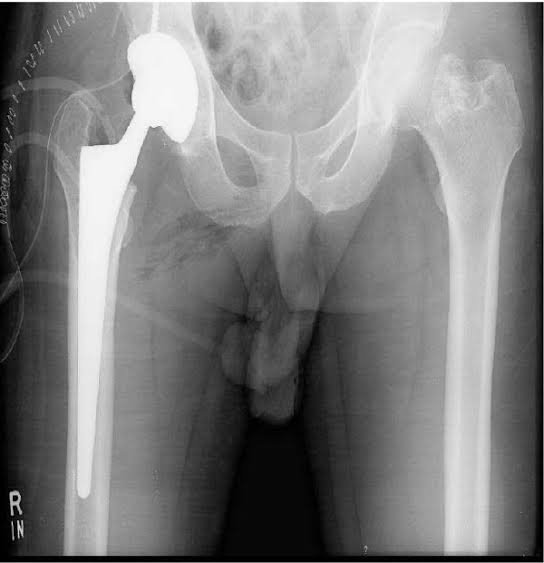
Routine follow-up visits allow your surgeon to check the implant through X-rays. Contact your care team if you notice new pain, swelling, or instability in the hip. These signs do not always indicate a problem, but early evaluation helps your surgeon determine the next steps.
Schedule Your Hip Replacement Consultation
Hip replacement can significantly improve mobility and quality of life for people with persistent hip pain. Understanding what the procedure entails, how to prepare, and the need for post-operative care supports a smooth recovery. Staying aware of signs that require follow-up, such as unexpected pain or swelling, is also key in maintaining long-term implant success. Contact a qualified orthopedic surgeon near you to schedule your hip replacement consultation today.