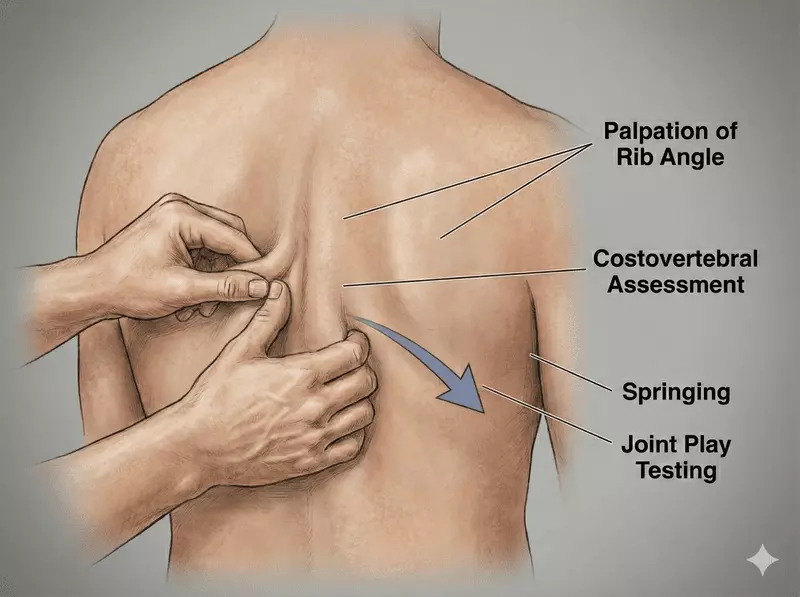

Orthopedic spinal surgeons treat a range of conditions affecting the cervical, thoracic, and lumbar spine. To determine the underlying cause, orthopedic surgeons conduct thorough evaluations that combine physical examination, patient history, and targeted diagnostic testing. When back pain affects daily function, an orthopedic surgeon can diagnose the cause, from a herniated disc to nerve compression. Here’s information on how an orthopedic surgeon diagnoses and treats different types of spinal conditions:
Diagnostic Imaging
Imaging tests let an orthopedic surgeon view spinal structures without surgery. Each type of imaging captures different information, so surgeons may order more than one test. X-rays use small amounts of radiation to create images of bones; they show vertebral alignment and can reveal fractures, bone spurs, and changes in spinal curvature. Surgeons often use X-rays to assess conditions such as:
- Scoliosis
- Spondylolisthesis
- Degenerative Changes
Magnetic resonance imaging (MRI) uses a magnetic field and radio waves to produce detailed soft-tissue images. An MRI shows the spinal cord, nerves, intervertebral discs, and ligaments, helping surgeons identify spinal conditions like herniated discs, spinal stenosis, nerve compression, and tumors. Computed tomography (CT) scans combine multiple X-ray images taken from different angles. A computer processes these images into cross-sectional views of the spine, providing more detail about bone structure than standard X-rays. Surgeons may use them to evaluate complex fractures or plan surgical procedures.
Diagnostic Bone Scan
Orthopedic surgeons may order a bone scan to look for stress fractures, infections, arthritis, or tumors that other imaging did not clearly show. A bone scan identifies abnormal activity, but it does not always reveal the specific cause. Surgeons often pair the results with other tests to narrow down a diagnosis. A bone scan is a nuclear imaging test that detects areas of increased bone activity.
For this diagnostic scan, a technician injects a small amount of radioactive material, called a tracer, into a vein. The tracer travels through the bloodstream and collects in areas where bone breaks down or repairs itself. A special camera then captures images of the skeleton, where areas that absorb more tracer appear brighter.
Diagnostic Procedures
When imaging does not provide a clear enough answer, orthopedic surgeons may recommend a diagnostic procedure to help pinpoint the source of pain. Spinal injections deliver medication to a specific area of the spine. A physician typically uses fluoroscopy, a form of real-time X-ray, to guide the needle. The injection usually contains a local anesthetic, sometimes combined with a corticosteroid. If pain decreases after the injection, the surgeon has evidence that the targeted area may be causing the symptoms.
Myelography
Myelography is an imaging procedure that uses contrast dye to highlight the spinal canal. A physician injects the dye into the fluid-filled space surrounding the spinal cord and nerve roots. X-rays or a CT scan then capture images of the area. The dye outlines the spinal cord and nerves, making compression easier to see. Surgeons may recommend myelography for patients who cannot undergo an MRI, such as those with certain implanted devices.
Discography
Discography helps surgeons determine whether a specific intervertebral disc is contributing to back pain, helping determine if surgical treatment is necessary. During the procedure, a physician injects contrast dye into the center of one or more discs. The patient reports whether the injection reproduces familiar pain. Images taken afterward show any tears or damage within the disc. Surgeons sometimes discuss discography results when evaluating spinal fusion or other surgical options.
Meet With an Orthopedic Surgeon
Back and neck pain stems from many different spinal conditions, but an orthopedic surgeon can review your medical history and select key diagnostic tests based on your symptoms. The results help the surgeon recommend treatment options that fit your needs, which may include physical therapy, medication, injections, or surgery. Since each patient’s situation is different, diagnostic tests help doctors make timely, accurate treatment decisions. To learn about your options, contact an orthopedic surgeon to discuss your symptoms and diagnostic options.