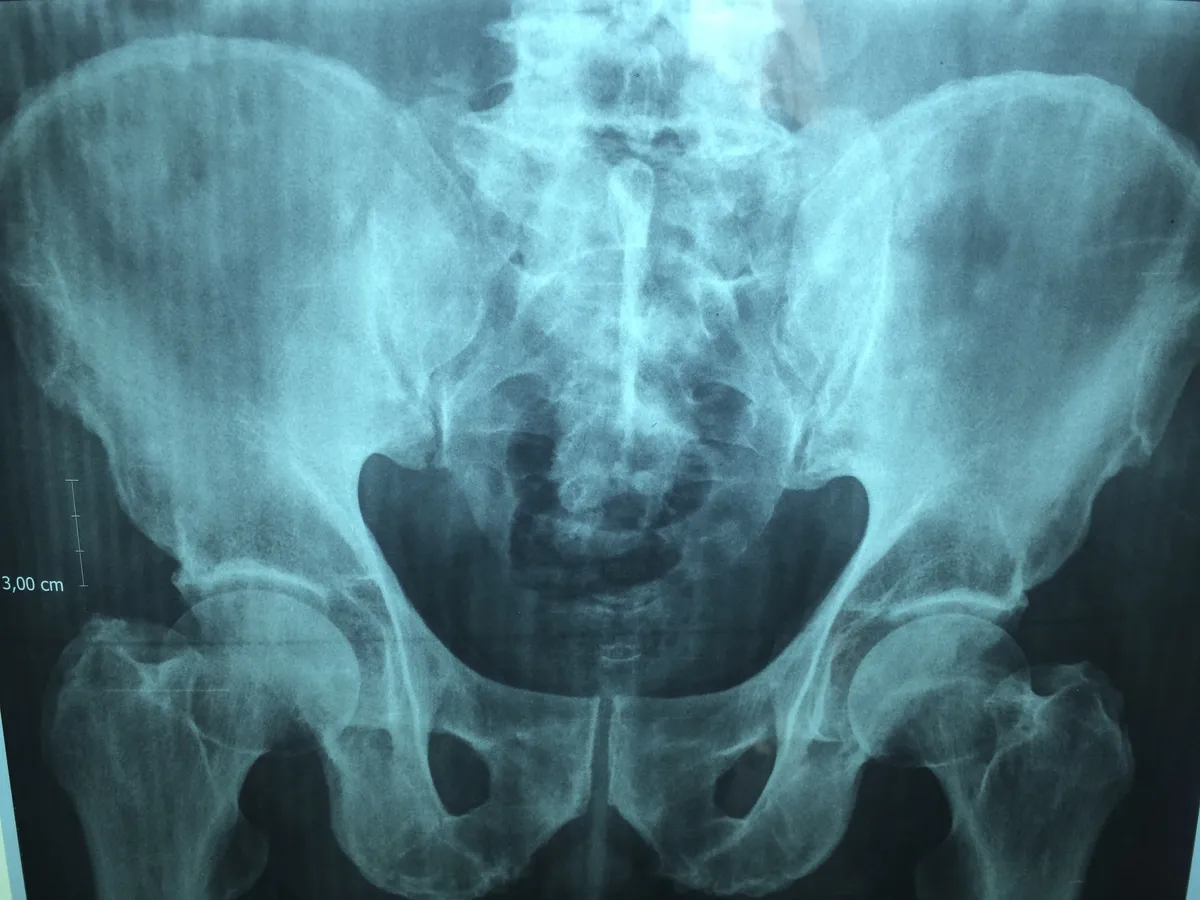

Chronic hip pain has several possible causes. Arthritis, bursitis, tendonitis, and labral tears affect the hip differently, so providers evaluate symptoms through examinations and diagnostic imaging. When the underlying condition is identified, treatment options may include physical therapy, injections, medication, nerve blocks, or regenerative therapies. Here is more information about the causes and treatments for chronic hip pain:
Causes of Hip Problems
Several conditions can cause hip pain. Arthritis affects the joint, while bursitis involves inflammation of the fluid-filled sacs that cushion nearby structures. When tendons become irritated from repetitive movement or overuse, tendonitis may also produce discomfort around the hip.
Structural and nerve-related problems create other sources of pain. Labral tears and hip impingement affect joint movement, and sciatica or pinched nerves may produce pain extending into the hip. Avascular necrosis develops when reduced blood flow affects bone tissue within the joint.
Symptoms of Hip Problems
Hip pain varies between individuals. Discomfort may affect different areas around the hip, and certain conditions also cause changes in movement or flexibility. When symptoms persist or interfere with everyday activities, a medical evaluation provides information about their possible source.
- Experiencing aching or stiffness around the hip
- Feeling pain while standing, walking, or sitting
- Noticing clicking, popping, or catching during movement
- Developing pain that extends into nearby areas
- Experiencing a reduced range of motion
- Developing a noticeable limp
Diagnosis of Hip Problems
Diagnosing hip problems begins with a physical examination. Providers evaluate strength, flexibility, and range of motion, and they observe how the hip moves during different activities. When the examination suggests a specific condition, diagnostic imaging is able to provide additional information. X-rays show bones and joint structures. MRIs provide detailed images of soft tissues, while ultrasound imaging allows providers to examine certain structures during movement. Because each imaging method provides different information, providers select testing based on symptoms and examination findings.
Treatments for Hip Injuries
Hip pain treatment depends on the underlying condition. Medication may address pain and inflammation, while physical therapy focuses on strength, flexibility, and movement. When symptoms affect mobility, providers select treatment approaches based on examination findings and individual needs.
Injections provide another treatment option. Corticosteroid injections target inflammation, and nerve blocks address discomfort associated with specific nerve pathways. Because different conditions produce pain, providers determine whether these treatments fit the identified source.
Regenerative medicine includes platelet-rich plasma and Regenexx stem cell therapy. These approaches use biological materials, while treatment planning reflects the type and location of the hip condition. If additional care becomes appropriate, providers may also coordinate treatment with orthopedic specialists.
Schedule a Hip Pain Evaluation
Persistent pain is able to have several underlying causes. Arthritis and bursitis affect the hip differently, while labral tears or nerve conditions may produce other symptoms. Because each condition requires a different approach, an evaluation helps identify the possible source of discomfort. Providers use physical examinations and diagnostic imaging, and treatment options depend on the findings. Schedule a hip pain evaluation today to discuss your symptoms and available treatment approaches.