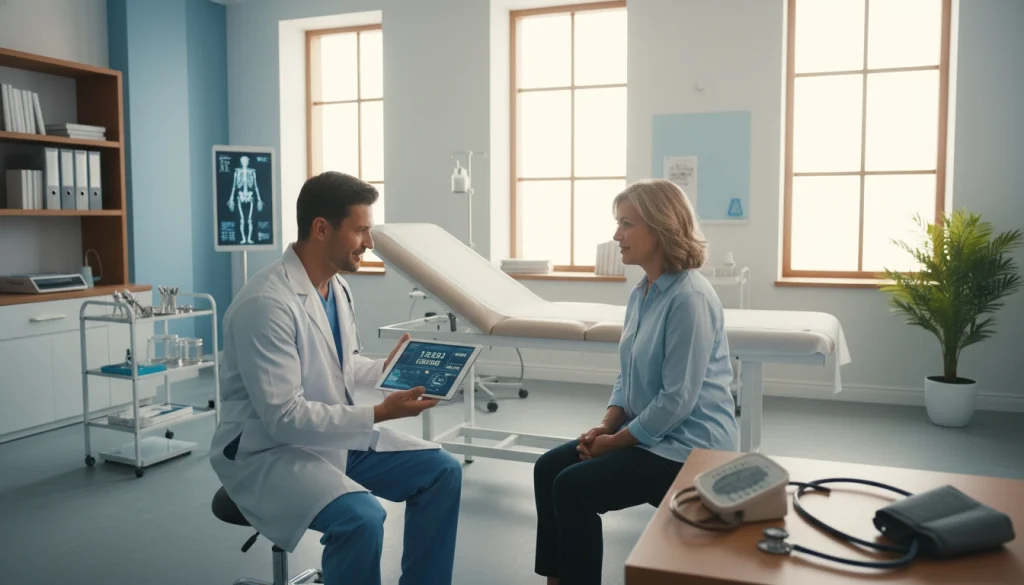

Health is something most people only think about when something goes wrong. But modern healthcare focuses more on prevention than treatment. One of the best ways to stay ahead of disease is through comprehensive adult health screening, especially when it is done under internal medicine services.
- What is Comprehensive Adult Health Screening?
- Role of Internal Medicine Services
- Why Comprehensive Health Screening is Important
- 1. Early Detection of Diseases
- 2. Prevention is Better than Cure
- 3. Better Health Planning
- 4. Peace of Mind
- 5. Long-Term Cost Saving
- What Happens During a Comprehensive Health Screening?
- 1. Medical History Review
- 2. Physical Examination
- 3. Laboratory Tests
- 4. Diagnostic Imaging (if needed)
- 5. Lifestyle Assessment
- 6. Final Consultation
- Who Should Get a Comprehensive Health Screening?
- How Internal Medicine Doctors Interpret Results
- Lifestyle Guidance After Screening
- The Future of Preventive Health Care
- Conclusion
- Frequently Asked Questions (FAQs)
This type of medical care is not just a quick check-up. It is a detailed, structured evaluation of your overall health. It helps detect hidden problems early, manage risk factors, and guide you toward a healthier lifestyle. In this article, we will explain what comprehensive adult health screening means, why it is important, what happens during the process, and how internal medicine specialists play a key role.
What is Comprehensive Adult Health Screening?
A comprehensive adult health screening is a full-body health assessment designed for adults of all ages. It is more detailed than a regular doctor visit. Instead of focusing only on symptoms, it looks at your entire body system, lifestyle, family history, and future health risks.
The goal is simple:
Find health problems early before they become serious.
This screening usually includes physical examinations, laboratory tests, lifestyle evaluation, and sometimes advanced imaging tests depending on your age and risk factors.
It is often done in internal medicine clinics because internal medicine doctors are trained to handle complex adult health conditions.
Role of Internal Medicine Services
Internal medicine is a medical specialty focused on adult healthcare. Doctors in this field are called internists. They are experts in preventing, diagnosing, and treating a wide range of diseases affecting organs like the heart, lungs, liver, kidneys, and digestive system.
When you go for a comprehensive screening under internal medicine services, the internist acts like a health detective. They do not only check your current condition but also analyze your risk of future diseases.
They look at:
- Blood pressure and heart health
- Blood sugar levels and diabetes risk
- Cholesterol and lipid levels
- Kidney and liver function
- Hormonal balance
- Lifestyle habits like diet, sleep, and stress
This holistic approach makes internal medicine one of the best fields for preventive healthcare.
Why Comprehensive Health Screening is Important
Many serious diseases develop silently. Conditions like high blood pressure, diabetes, kidney disease, and even some cancers may not show symptoms in early stages.
That is why screening is so important.
Here are some key benefits:
1. Early Detection of Diseases
Many illnesses are easier to treat when found early. For example, detecting diabetes at an early stage can help prevent complications like nerve damage or heart disease.
2. Prevention is Better than Cure
Screening helps identify risk factors before disease starts. If your cholesterol is high, lifestyle changes can prevent a heart attack in the future.
3. Better Health Planning
You get a clear picture of your health status. This helps doctors create a personalized health plan for you.
4. Peace of Mind
Knowing that your health is under control reduces anxiety and stress.
5. Long-Term Cost Saving
Preventing disease is much cheaper than treating advanced illness or hospitalization.
What Happens During a Comprehensive Health Screening?
Many people feel nervous before a full health screening, but the process is simple and painless. It usually includes several steps:
1. Medical History Review
The doctor asks questions about your past illnesses, family medical history, allergies, and lifestyle habits. This helps identify risk factors.
2. Physical Examination
The internist checks:
- Height and weight
- Blood pressure
- Heart rate
- Respiratory system
- Abdominal examination
This basic check gives important clues about your overall health.
3. Laboratory Tests
Blood and urine tests are a major part of screening. They may include:
- Complete blood count (CBC)
- Blood sugar test
- Cholesterol profile
- Liver function test
- Kidney function test
- Thyroid function test
- Urine analysis
These tests help detect hidden conditions.
4. Diagnostic Imaging (if needed)
Depending on age and risk factors, doctors may recommend:
- Chest X-ray
- Ultrasound abdomen
- ECG (heart test)
- Echocardiogram
5. Lifestyle Assessment
The doctor discusses your daily habits such as:
- Diet
- Exercise
- Smoking or alcohol use
- Stress levels
- Sleep quality
This step is very important because lifestyle is closely linked to chronic diseases.
6. Final Consultation
After all tests, the doctor explains the results in simple language. You may receive a personalized health report and recommendations.
Who Should Get a Comprehensive Health Screening?
This type of screening is recommended for:
- Adults over 30 years old
- People with family history of chronic diseases
- Individuals with obesity or sedentary lifestyle
- Smokers or alcohol users
- People with high stress jobs
- Anyone who has not had a health check in the past year
Even healthy individuals benefit from regular screenings because they help maintain good health long-term.
How Internal Medicine Doctors Interpret Results
One of the most important parts of internal medicine services is interpretation. Lab results alone do not tell the full story. Internists combine:
- Test results
- Physical findings
- Lifestyle factors
- Family history
For example, slightly high blood sugar may not mean diabetes yet, but it could indicate prediabetes. In this case, the doctor may recommend diet changes and exercise instead of medication.
This careful evaluation helps avoid unnecessary treatments and focuses on prevention.
Lifestyle Guidance After Screening
A good screening does not end with test results. It continues with guidance for better living.
Doctors often suggest:
- Eating more fruits and vegetables
- Reducing sugar and processed foods
- Regular exercise (at least 30 minutes a day)
- Drinking enough water
- Quitting smoking
- Managing stress through meditation or hobbies
These small changes can have a big impact on long-term health.
The Future of Preventive Health Care
Healthcare is moving toward prevention rather than treatment. Comprehensive adult health screening is becoming more advanced with technology.
In the future, we may see:
- AI-based health risk prediction
- Genetic screening for diseases
- Personalized medicine based on DNA
- Smart wearable devices connected to doctors
Internal medicine will continue to play a central role in this transformation.
Conclusion
Comprehensive adult health screening under internal medicine services is one of the most effective ways to protect your health. It is not just about finding diseases—it is about preventing them before they start.
By understanding your body deeply, identifying risk factors early, and making smart lifestyle changes, you can improve your quality of life and increase your lifespan.
Regular screening is not only for sick people. It is for everyone who wants to stay healthy, active, and confident about their future.
Frequently Asked Questions (FAQs)
1. How often should I get a comprehensive health screening?
Most adults should have a full screening once a year. However, people with chronic conditions may need more frequent check-ups based on doctor advice.
2. Is a health screening painful or risky?
No, most tests are simple and painless, like blood tests, urine tests, and physical exams. It is completely safe.
3. What is the difference between a regular check-up and a comprehensive screening?
A regular check-up focuses on current symptoms, while a comprehensive screening checks overall health and hidden diseases before symptoms appear.
4. Can health screening detect all diseases?
It can detect many common and serious conditions early, but not every disease. Some rare conditions may require special tests.
5. Do I need to fast before a health screening?
Yes, for certain blood tests like sugar and cholesterol, fasting for 8–12 hours may be required. Your doctor will give instructions before the test.