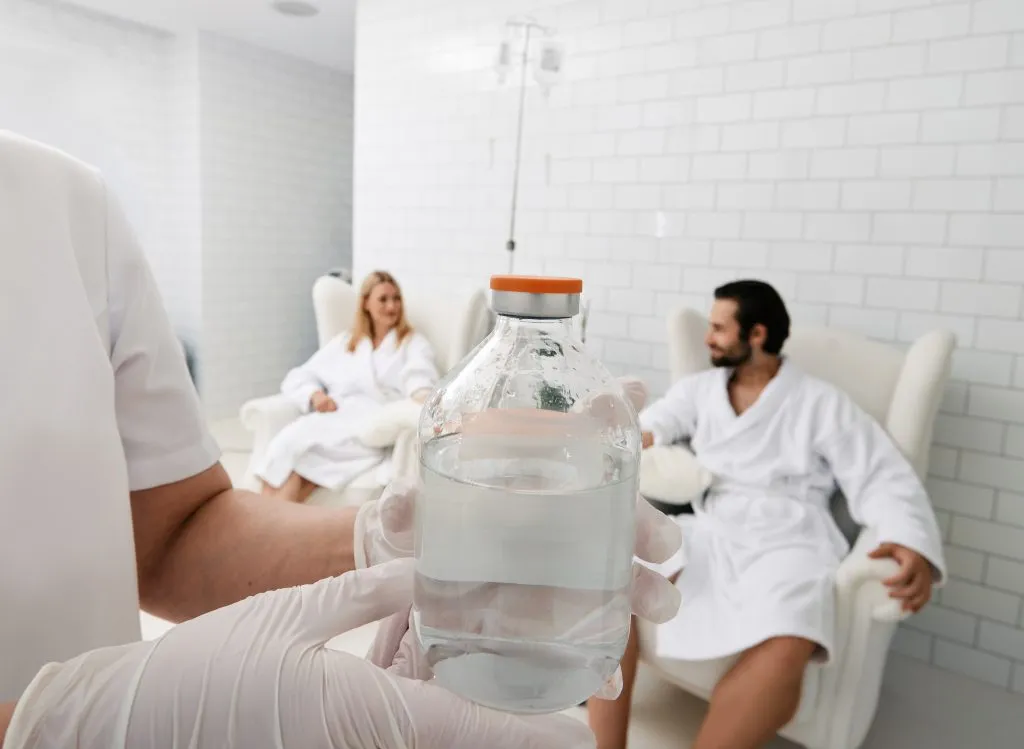

Platelet-rich plasma (PRP) comes from your own blood, and clinicians also use it for joints and tendons. During a session, a provider draws a small sample and spins it until the platelets separate. The concentrated plasma, rich in growth factors, then goes into the targeted area. Here are some of the applications of PRP treatments for recovery:
Tears or Sprains
When a ligament or tendon tears, it typically heals slowly. These tissues have a limited blood supply. Rest and bracing help many people, but some partial tears or sprains linger for months. Clinicians sometimes use PRP at sites such as these:
- Elbow tendons, including tennis elbow and golfer’s elbow
- Knee ligaments and the patellar tendon
- Ankle sprains and Achilles tendon strain
- Hamstring strains near the hip
A complete tear often needs surgery, and PRP may not fit that situation. If your provider orders an MRI or ultrasound, ask what the images show. Request written aftercare instructions at the end of your visit. Follow-up appointments let your provider track your progress.
Shoulder Injuries
Your shoulder moves in many directions, so it faces constant wear. Rotator cuff tendinitis is a typical complaint. Providers may suggest PRP when shoulder pain lingers after rest and physical therapy. Partial rotator cuff tears and labral strains also fall into this group.
Since shoulder tendons sit deep under muscle, many clinicians guide the needle with ultrasound. The procedure usually takes under an hour, and many people go home the same day. Mild soreness at the injection site is normal for a few days. Most providers advise limiting overhead lifting for a short period.
Responses to PRP vary from person to person. Some patients notice changes within weeks, while others need several sessions. Your provider will review your health history, and you will set realistic expectations together. Many protocols include physical therapy after the injection.
Disc Degeneration
As you age, the discs between your vertebrae lose water and height. This change happens slowly, and it may cause stiffness or aching. Doctors use PRP as one possible option. They currently focus on pain and function, not disc regrowth.
Disc injections require precise placement. Most clinicians use live X-ray guidance, and some also use a contrast dye. Since evidence is still emerging, many providers reserve PRP for select cases. Ask your clinician about their training with spinal procedures.
Neck and Back Pain
Neck and back pain has many possible sources. When the pain stems from strained muscles or irritated facet joints, PRP may be an option. Your provider will perform an exam, and they may order imaging. Before your visit, prepare the following details:
- Times the pain started and what triggered it
- Activities that worsen or ease your symptoms
- Medications, including blood thinners
- Treatments and your response to each
Some providers ask you to pause anti-inflammatory drugs, and others limit activity after the injection. Follow these instructions closely. They help protect the injection site while your body responds. Your provider will schedule a follow-up visit to review your progress.
Book a PRP Session Today
Each PRP plan starts with a consultation, and your provider reviews your health history and goals. If you live with joint, tendon, or spine pain, this visit helps clarify your options. Our trained staff follow strict safety and hygiene protocols. Contact us today to book your PRP session with flexible scheduling options.