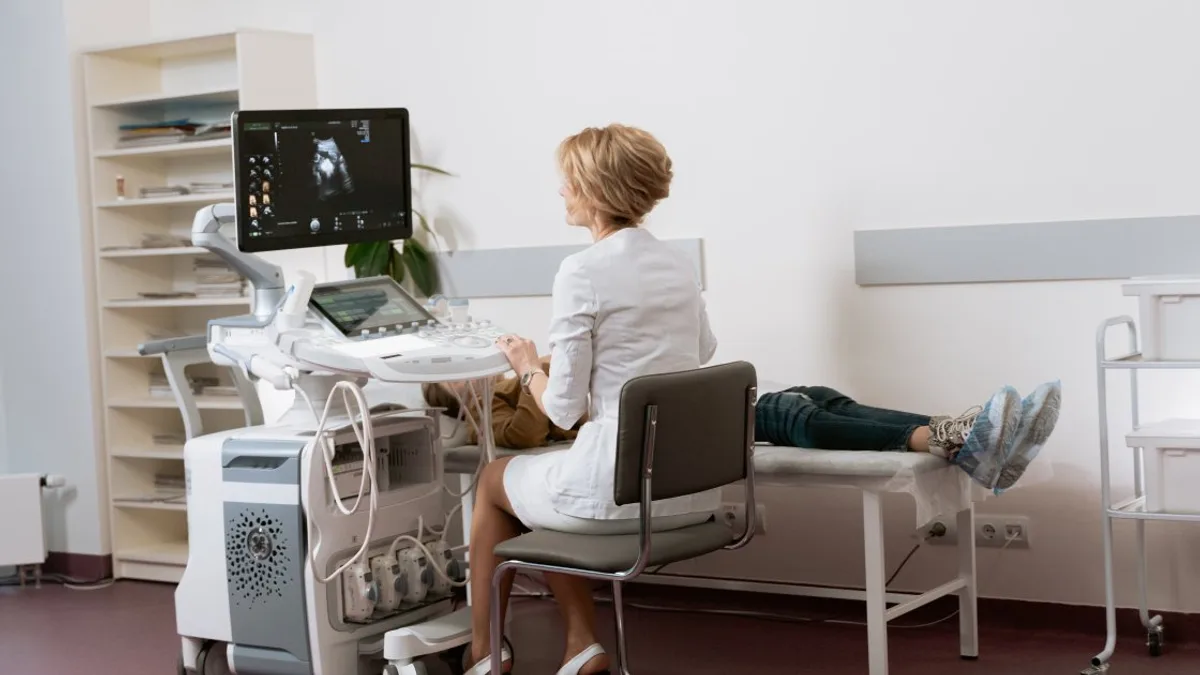

Gynecological health screenings are routine exams that evaluate reproductive and related health. Gynecologists may perform these tests during annual well-woman visits; your age, health history, family history, and current clinical guidelines all shape which screenings your provider recommends. Here are several exams that are commonly completed during a gynecology visit:
Cervical Health Tests
A Pap test, also called a Pap smear, collects cells from the cervix, which is the lower part of the uterus that opens into the vagina. To complete this screening, you lie on an exam table while the provider uses a speculum to widen the vaginal walls gently. The doctor then collects a small cell sample with a soft brush or spatula, and a lab examines it for cellular changes. HPV testing checks for human papillomavirus, a common virus that providers sometimes screen for alongside the Pap test. This combined approach, known as co-testing, uses the same cell sample. Your provider can recommend which test fits your situation and advise on how frequently to repeat it; schedules vary based on age and history.
Structural and Breast Exams
Pelvic exams allow the provider to assess the reproductive organs using several steps. The external exam evaluates the outer genital area, while the speculum exam gives the provider a view of the vagina and cervix. During the bimanual exam, the provider places two gloved fingers inside the vagina and applies gentle pressure to the lower abdomen with the other hand, checking the size and position of the uterus and ovaries. A Pap test and a pelvic exam are separate procedures, though providers may perform both during the same appointment.
A mammogram is an X-ray image of the breast; a technologist captures it by positioning one breast at a time on a platform and applying brief, even pressure. Some facilities offer 3D mammography, which produces images from multiple angles. Your provider may also perform a clinical breast exam by hand, checking the breasts and underarm area. Recommended starting ages and screening intervals differ, so ask your provider which schedule applies to you.
Preventive and Additional Screenings
STI testing may involve a urine sample, a vaginal swab, or a blood draw. It helps check for:
- Chlamydia
- Gonorrhea
- Syphilis
- HIV
- Hepatitis B and C
Providers do not always include STI testing automatically during a routine visit, so notify your provider directly if you would like to be tested. A well-woman visit may also involve blood pressure checks and lab work for cholesterol, blood sugar, or thyroid levels. These help gauge overall health. Some providers request urine samples to confirm or rule out pregnancy. Depending on your age, your provider may also refer you for colorectal cancer screening.
Before your appointment, note the first day of your last menstrual period. Bring a list of your current medications and supplements, and gather your family health history, including any history of cancers or bone conditions. These steps can help your gynecology expert provide more personalized recommendations.
Schedule Your Next Gynecology Appointment
Gynecological screenings include Pap and HPV tests, pelvic and breast exams, and STI testing. They follow clear, routine processes, and your provider tailors each schedule to your individual history. Staying current with these screenings is a fundamental part of proactive health maintenance. Contact your gynecologist today to confirm which screenings are due and to book your next well-woman visit.