
Recovering from surgery is not just about resting in bed and waiting for wounds to heal. In many cases, real healing begins after the operation, when the body needs help to regain strength, movement, and normal function. This is where a post surgery rehabilitation therapy center plays an important role.These centers are designed to help patients recover safely, effectively, and confidently after different types of surgeries. Whether it is knee surgery, heart surgery, spine surgery, or any other major operation, rehabilitation therapy helps people return to their normal life step by step.
- What is a Post Surgery Rehabilitation Therapy Center?
- Why is Post Surgery Rehabilitation Important?
- 1. Faster Recovery
- 2. Pain Management
- 3. Restoring Movement
- 4. Preventing Complications
- 5. Improving Independence
- Who Needs Post Surgery Rehabilitation Therapy?
- Types of Therapies Offered in Rehabilitation Centers
- 1. Physical Therapy
- 2. Occupational Therapy
- 3. Pain Management Therapy
- 4. Hydrotherapy
- 5. Breathing Exercises
- How Does a Typical Rehabilitation Program Work?
- Step 1: Assessment
- Step 2: Personalized Plan
- Step 3: Therapy Sessions
- Step 4: Progress Monitoring
- Step 5: Return to Normal Life
- Benefits of Going to a Rehabilitation Center
- Emotional Support in Rehabilitation
- Challenges During Rehabilitation
- Tips for Better Recovery After Surgery
- The Future of Rehabilitation Therapy
- Conclusion
- Frequently Asked Questions (FAQs)
In this article, we will explore what a post surgery rehabilitation therapy center is, why it is important, what treatments are offered, and how it helps patients in real life. Everything is explained in simple and human-friendly language so anyone can understand easily.
What is a Post Surgery Rehabilitation Therapy Center?
A post surgery rehabilitation therapy center is a special healthcare facility where patients go after surgery to recover their physical strength, movement, and independence.
After surgery, the body often becomes weak. Muscles may lose strength, joints may feel stiff, and simple daily tasks like walking, sitting, or climbing stairs may become difficult. A rehabilitation center helps patients rebuild these abilities through guided therapy and professional care.
These centers usually have trained professionals such as:
- Physical therapists
- Occupational therapists
- Rehabilitation doctors
- Nurses
- Pain management specialists
They all work together to help the patient recover in the best possible way.
Why is Post Surgery Rehabilitation Important?
Many people think that rest alone is enough after surgery. While rest is important, too much rest without movement can slow down healing. Muscles may become weak, joints may stiffen, and recovery may take longer.
Here are some key reasons why rehabilitation therapy is important:
1. Faster Recovery
Rehabilitation exercises help improve blood flow and speed up healing. The body becomes active again in a controlled and safe way.
2. Pain Management
Therapists use safe techniques to reduce pain without depending too much on medicines.
3. Restoring Movement
After surgery, movement can become limited. Therapy helps patients regain flexibility and motion.
4. Preventing Complications
Without proper movement, problems like blood clots, stiffness, or muscle weakness can develop. Rehabilitation reduces these risks.
5. Improving Independence
Patients learn how to take care of themselves again, such as walking, dressing, or using stairs.
Who Needs Post Surgery Rehabilitation Therapy?
Not every surgery requires long rehabilitation, but many major surgeries do. People who commonly need it include:
- Knee or hip replacement patients
- Spine surgery patients
- Heart surgery patients
- Stroke recovery patients
- Injury or fracture surgery patients
- Joint repair surgery patients
Even minor surgeries may need short-term therapy depending on the patient’s condition.
Types of Therapies Offered in Rehabilitation Centers
A post surgery rehabilitation therapy center offers different types of treatments depending on the patient’s needs. Here are the most common ones:
1. Physical Therapy
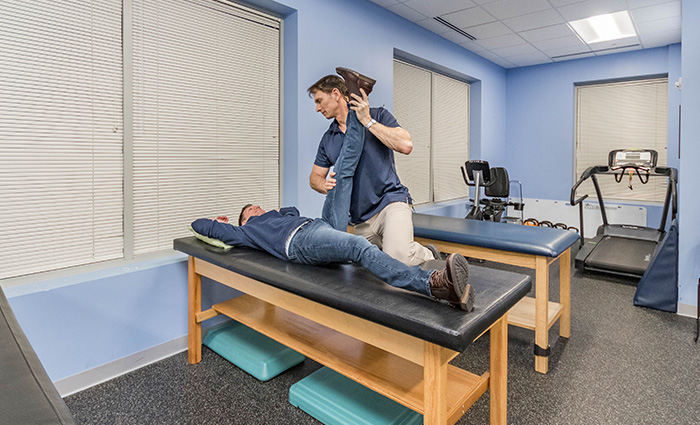
This is the most important part of rehabilitation. It includes exercises that improve strength, balance, and flexibility. Patients may do stretching, walking practice, or light resistance exercises.
2. Occupational Therapy
This therapy helps patients perform daily activities like bathing, cooking, dressing, and writing. It focuses on making life easier after surgery.
3. Pain Management Therapy
Some patients experience pain after surgery. Therapists use heat therapy, cold therapy, massage, or gentle exercises to reduce discomfort.
4. Hydrotherapy
In some centers, water-based exercises are used. Water reduces pressure on joints, making movement easier and less painful.
5. Breathing Exercises
After surgeries like heart or chest surgery, breathing exercises help improve lung function and oxygen flow.
How Does a Typical Rehabilitation Program Work?
Every patient’s recovery plan is different, but most programs follow a step-by-step process:
Step 1: Assessment
Doctors and therapists examine the patient’s condition, type of surgery, and current physical ability.
Step 2: Personalized Plan
A recovery plan is created based on the patient’s needs and goals.
Step 3: Therapy Sessions
The patient attends regular therapy sessions, which may include exercises, stretching, and guided movement training.
Step 4: Progress Monitoring
Therapists track improvement and adjust the program if needed.
Step 5: Return to Normal Life
Once recovery is strong enough, patients gradually return to daily activities and independent living.
Benefits of Going to a Rehabilitation Center
Choosing a professional rehabilitation center instead of recovering alone at home has many benefits:
- Professional guidance at every step
- Safe and controlled exercises
- Faster improvement in strength
- Emotional support during recovery
- Reduced risk of re-injury
- Better long-term health results
Patients often feel more confident when they recover under expert supervision.
Emotional Support in Rehabilitation
Recovery after surgery is not only physical but also emotional. Many patients feel stress, fear, or frustration during recovery. A good rehabilitation center also provides emotional support.
Therapists encourage patients, celebrate small improvements, and help them stay motivated. This emotional care plays a big role in faster healing.
Challenges During Rehabilitation
While rehabilitation is helpful, it is not always easy. Some common challenges include:
- Pain during movement
- Slow progress at the beginning
- Feeling tired after therapy sessions
- Emotional stress or frustration
However, with patience and consistency, these challenges improve over time. The key is not to give up early.
Tips for Better Recovery After Surgery
Here are some simple tips that can help improve recovery:
- Follow therapist instructions carefully
- Do not skip therapy sessions
- Eat healthy and balanced meals
- Drink enough water
- Get proper sleep and rest
- Stay positive and patient
Recovery is a journey, not a race.
The Future of Rehabilitation Therapy
Today, rehabilitation therapy is becoming more advanced. Many centers now use modern equipment, robotic therapy, and digital tracking systems to improve recovery results.
In the future, rehabilitation will become even more personalized and effective, helping patients recover faster and more comfortably.
Conclusion
A post surgery rehabilitation therapy center plays a very important role in helping patients recover after surgery. It is not just a place for exercise; it is a complete healing environment where the body and mind both are cared for.
With professional support, proper exercises, and emotional encouragement, patients can regain strength, reduce pain, and return to normal life with confidence. Whether the surgery is small or major, rehabilitation can make a big difference in the quality and speed of recovery.
Healing does not end in the operating room—it truly begins in rehabilitation.
Frequently Asked Questions (FAQs)
1. What is the main purpose of a post surgery rehabilitation therapy center?
The main purpose is to help patients recover physical strength, movement, and independence after surgery through guided therapy and professional care.
2. How long does rehabilitation take after surgery?
It depends on the type of surgery and patient condition. Some recover in weeks, while others may take months.
3. Is rehabilitation painful?
Some exercises may cause mild discomfort, but therapists ensure the process is safe and controlled to avoid serious pain.
4. Can I do rehabilitation at home instead of a center?
Yes, but a professional center provides expert guidance, equipment, and supervision that can improve recovery results and reduce risks.
5. Who guides patients in a rehabilitation center?
Trained professionals such as physical therapists, occupational therapists, and rehabilitation doctors guide patients throughout the recovery process.