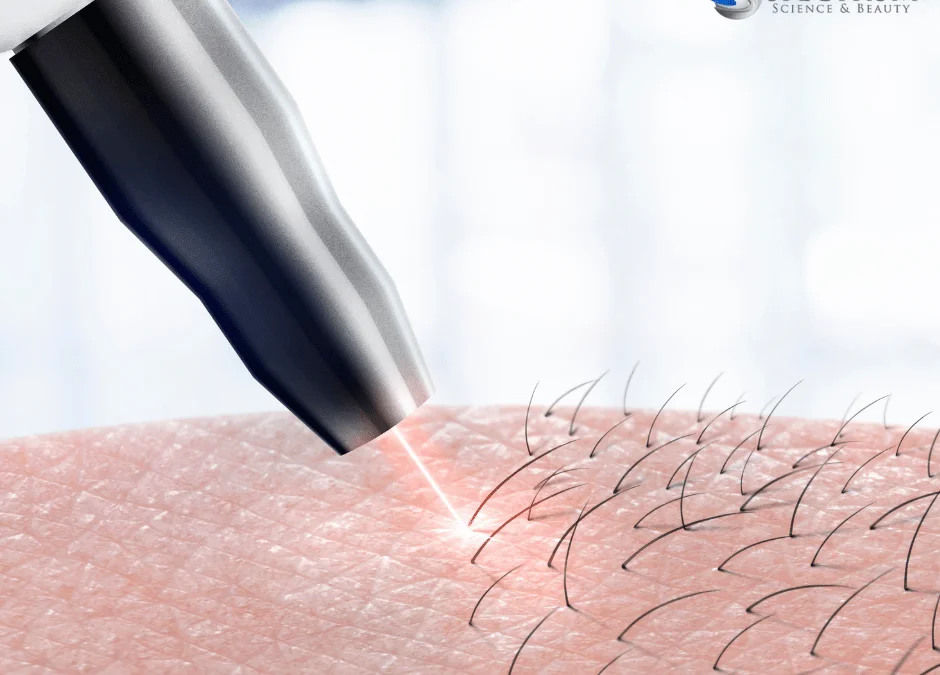

Laser hair removal is a cosmetic treatment that uses concentrated light to target hair follicles and reduce unwanted hair growth over time. The process generally involves a series of treatment sessions, with results varying based on factors such as hair color, skin type, and the treatment area. Here’s more information on the laser hair treatment process:
How Should You Prepare?
Preparation for laser hair removal begins with a consultation. During this visit, a provider reviews your skin tone, hair color, and treatment goals, and they may perform a small patch test. If you take medications or have recent sun exposure, share these details so the provider can adjust your plan. Here are common steps to take before your appointment:
- Shave the area: Shave one day before your appointment so the light reaches the root, not surface hair.
- Pause waxing and plucking: Stop these methods as they remove the root the laser needs to target.
- Limit sun exposure: Avoid tanning for at least two weeks, as tanned skin can affect device settings.
- Pause strong skin products: Stop using harsh exfoliating products if your provider recommends it.
- Arrive with clean skin: Remove lotion, makeup, and deodorant from the treatment area.
How Does Laser Target Hair?
The laser targets pigment, the natural color in each strand of hair. Dark hair holds more pigment, so it absorbs the light more readily. When the light reaches the root, it converts into heat that can disrupt future growth. Providers adjust the device settings based on your skin and hair, and they follow a consistent pattern so each section receives even coverage.
Skin tone plays a key role in this step. Light and dark skin respond differently to laser energy, so providers select a device and setting that suit your skin type. Very light, gray, or red hair may not respond as well because it contains less pigment.
What Is Treatment Like?
Knowing what happens during and after a laser hair removal session helps you plan your day. Appointments often follow the same routine, and people can return to regular activities afterward.
During the Session
You and the provider will wear protective eyewear throughout the treatment. The provider may apply a cooling gel, or the device already includes a built-in cooling tip. As the laser pulses, you may feel a quick snapping sensation that some people compare to a rubber band. Your provider checks in as they work and can pause if you need a break.
After the Session
Mild redness or swelling may appear on the treated skin. These effects often fade within a few hours, but some people notice them for a day or two. Your provider may suggest a cool compress or gentle moisturizer if the area feels warm. Wear sunscreen daily, and avoid hot showers or intense exercise unless your provider advises otherwise.
Why Are Multiple Sessions Needed?
One session cannot reach every hair. Hair grows in cycles, and not every hair is in an active growth stage at the same time. The laser works best during the active stage, when the hair remains attached to the root. People often complete six to eight sessions spaced four to six weeks apart. Facial hair tends to regrow faster, so providers often schedule face sessions closer together. You may notice shedding in the weeks after each visit, which is normal. Results vary from person to person, and some people schedule touch-up visits once or twice a year after they finish the initial series.
Book Your Laser Hair Removal Consultation
Laser hair treatment follows a clear sequence. This includes preparation, targeted light treatment, short-term aftercare, and a series of sessions. Following your provider’s guidance also keeps the process on schedule. Contact a modern medical spa near you to book your laser hair removal consultation today.