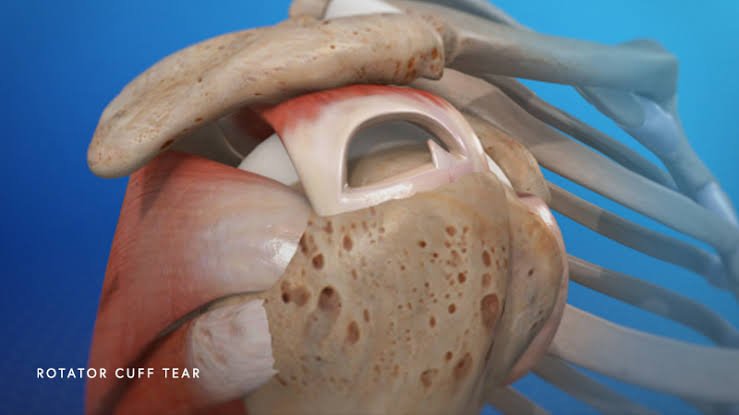

A rotator cuff tear happens when a tendon around your shoulder splits or frays, and it typically follows a fall, repeated overhead motion, or wear and tear. Some tears cause sharp pain, and others build quietly over time. Left untreated, a tear changes how your shoulder works, and those changes tend to grow. Here are some long-term effects from this injury:
Retracted Tendons
A torn tendon from a rotator cuff tear does not stay put. Since the muscle keeps pulling on its end, the tendon slides away from the bone it once gripped. Doctors call this retraction, and it typically widens the gap over time.
The longer a tendon stays retracted, the more the surrounding tissue tightens. Scar tissue forms, and the tendon loses its natural stretch. When a surgeon later tries to reattach it, the shortened tendon may not reach the bone easily.
Weakened Muscles
Your rotator cuff muscles lift and rotate your arm. When a tendon tears, the attached muscle loses its anchor, so it stops pulling with full force. You might notice weakness when you reach for a shelf, or it can happen while lifting a bag.
Over months, the disconnected muscle starts to shrink. This process, called atrophy, reduces the size and quality of the tissue. Since the muscle works less, it grows weaker, and that weakness feeds a slow cycle of decline.
Fatty tissue may replace the muscle fibers that once contracted. When this happens, it makes the muscle harder to rebuild later, even after repair. You lose strength, and daily tasks require more effort than before.
Altered Mechanics
Your shoulder relies on balanced forces, since it allows it to move smoothly. When one part of the cuff fails, the remaining muscles compensate, and they carry loads they were not built for. This imbalance changes how the joint glides during each motion.
The head of your upper arm bone may drift upward inside the socket. That drift narrows the space where tendons pass, and it raises the odds of pinching or further damage. When you raise your arm, you might feel grinding, clicking, or a catch. Since compensation spreads beyond the shoulder itself, watch for these secondary effects:
- Neck stiffness from guarding the arm
- Elbow strain from awkward lifting
- Back tension from poor posture
Locked Joint
Untreated tears sometimes lead to lasting stiffness. When you move your shoulder less to avoid pain, the joint capsule tightens, and motion shrinks in every direction. This condition, called frozen shoulder, makes simple reaches difficult.
Cartilage damage adds another layer of trouble. As mechanics falter, the joint surfaces wear unevenly, and arthritis may set in over years. A worn joint aches at rest, and it limits how far your arm travels. Certain warning signs point toward a stiffening joint:
- Trouble reaching behind your back
- Pain that disturbs your sleep
- Stiffness that worsens each week
Notice these changes early, because a locked joint grows harder to reverse the longer it lasts. Movement, guided by a professional, keeps the capsule from tightening further.
Address a Rotator Cuff Tear
The effects of a tear build on one another, and time rarely helps an untreated shoulder. Understanding this chain helps you weigh your next step with clear eyes. An accurate diagnosis starts the process, so a specialist can map the size and location of your tear. Talk with an orthopedic provider about your symptoms and options. Schedule an evaluation today, and take the first step toward understanding your shoulder.