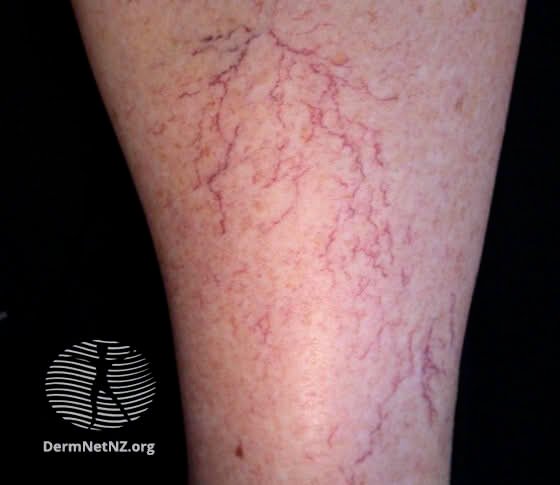

Spider veins are small and visible blood vessels that commonly appear on the legs or face. They may affect how some individuals feel about their appearance. Although they are often a cosmetic concern, they can contribute to self-consciousness or discomfort in social situations for some people. Here is more information on the psychological effects of spider veins:
Changing Body Image
Body image refers to how a person sees, thinks, and feels about their physical appearance. Visible spider veins can shift this perception, especially when they appear in areas that others can see. Some individuals focus more on their legs, and they may notice the veins each time they look in a mirror.
These changes often develop gradually. A person may first notice a few small veins, but the concern grows as more veins appear over time. When the veins become more noticeable, some people start to see their legs as something to hide rather than a neutral part of their body. Some individuals spend extra time choosing outfits, and others apply cosmetic products to cover the veins.
Reduced Social Confidence
Spider veins can influence how comfortable a person feels in social settings. Some individuals avoid shorts, skirts, or swimwear and may choose long pants even in warm weather. Although these choices appear minor, they can limit participation in activities such as beach trips, pool visits, or exercise classes.
Social comfort also depends on how a person believes others perceive them. If someone expects comments or stares, they may feel self-conscious during conversations or group events. A person may decline a summer gathering invitation or leave early to avoid exposing their legs.
Persistent Concerns
Appearance concerns that last for a long time can lead to a range of emotional responses. These responses vary from person to person, and they often depend on how visible the veins are and how much the individual values that part of their appearance. When you recognize these patterns, you can take a helpful first step toward addressing them. Common responses include:
- Self-consciousness: A heightened awareness of the legs in public or social settings.
- Frustration: A reaction that may arise when the veins remain visible despite efforts to cover them.
- Avoidance: A tendency to skip activities, clothing choices, or events that expose the legs.
- Reduced satisfaction with appearance: A general dissatisfaction that extends beyond the legs to overall self-image.
Combined Support
An effective approach addresses the physical appearance of spider veins and the thoughts connected to them. Cosmetic treatment may reduce the visibility of the veins, and emotional strategies help you manage how you perceive your body. You can create a more complete plan by reviewing these areas together.
Explore Minimally Invasive Options
Several minimally invasive procedures aim to reduce the appearance of spider veins. Sclerotherapy involves injecting a solution into the affected veins, and laser treatment uses focused light to target visible vessels. A vein specialist will evaluate your legs and explain which option fits your goals.
Build Practical Perspectives on Appearance
Practical habits may help you manage appearance concerns. Focus on what your legs allow you to do and limit comparisons to edited images in media. If appearance concerns start affecting your daily life, a licensed counselor can offer structured guidance.
Address Your Spider Veins Today
Spider veins can affect appearance and comfort. These effects vary, but they often lead people to avoid certain clothing, events, or activities. Understanding their causes, exploring available treatment options, and focusing on practical strategies to manage concerns are key steps toward addressing them effectively. To address these visible veins, contact a qualified vein specialist near you to schedule your appointment today.