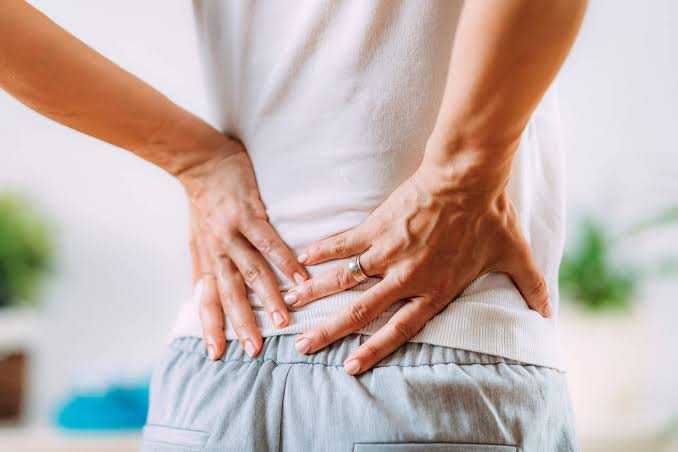

Lower back pain might be mild, moderate, or severe. It may stem from a disease, an injury, or age-related wear and tear. Some cases improve with home care, but others require treatment from a provider. If the pain doesn’t ease on its own, see a provider to identify the source.
Adjust Your Daily Habits
Many people start with lifestyle changes at home. Small adjustments to daily habits can ease lower back pain while you heal. Heat and ice are two common home treatments. Your sleeping position can also affect back pain. Daily posture habits matter too. Adjust your desk chair so your feet rest flat on the floor, and keep your screen at eye level. These simple steps can reduce the load on your spine throughout the day. Rest gives your back time to recover. Return to light activities such as walking, and increase your activity slowly. Avoid heavy lifting or twisting motions until your provider clears you to do so. Listen to your body; if an activity sharply increases your pain, scale back and try again later.
Strengthen Your Back With Therapy
Physical therapy focuses on movement, strength, and flexibility to help relieve lower back pain and support long-term recovery.
Know What to Expect
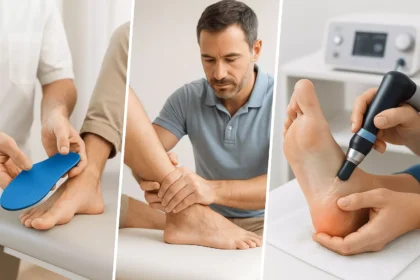
During your first visit, a physical therapist will assess your posture and range of motion. They will then design a plan tailored to your needs. Your plan may include stretches, core exercises, or posture training, and it will change as you progress. Therapists may also use manual therapy, heat, ice, or electrical stimulation to reduce discomfort and prepare your body for movement. Education is another key part of physical therapy; your therapist can teach you how to move safely during daily tasks like bending, lifting, or sitting. This reduces the risk of re-injury and gives you practical tools.
Practice Your Home Routine
Your home exercise routine matters as much as your in-clinic sessions. Try to set a consistent time each day to practice, as regular movement helps you maintain the gains you make in sessions and builds long-term back health. Note if any exercise causes sharp or worsening pain. Stop and tell your therapist; they can adjust the approach to keep your recovery on track.
Explore Injection-Based Pain Relief
Injections are another option for back pain. If other treatments don’t ease your pain, your provider may suggest injections and explain the steps. Your provider recommends one type over another based on the location and cause of your pain, and imaging results may guide that decision. Some injections are given in a single session, and others involve a short series of treatments. The procedure is usually brief and done in an outpatient setting.
Most people return to normal activity within a day or two, but your provider will give you specific recovery instructions. Your provider uses imaging guidance to place the injection accurately, helping direct the medication to the right area. Some people respond well after one injection, and others may need follow-up treatments over time. Results vary, so track your symptoms. Report changes to your provider.
Book Your Lower Back Pain Evaluation
Lower back pain can have many causes. Lifestyle changes, physical therapy, and injections each address pain in a different way. You can start with home care, but some symptoms need a professional evaluation. If the pain doesn’t subside or limits your activity, see your provider. Schedule an appointment to discuss the treatment that fits your needs.