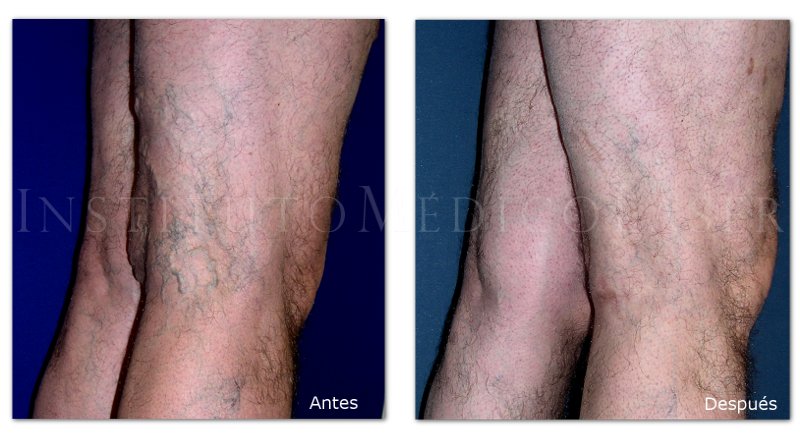

Sclerotherapy is a minimally invasive treatment, and it is used for small varicose and spider veins. When a provider injects a solution called a solution into a vein, the vein walls become irritated and stick together. Over several weeks, the body absorbs the closed vein, and blood reroutes through healthier vessels nearby. This is how sclerotherapy compares with other medical vein treatments:
Benefits of Sclerotherapy
Since sclerotherapy uses only a fine needle, it requires no incisions or general anesthesia. Sessions typically last about 30 minutes. You remain awake during treatment, and many people return to normal activities the same day.
Sclerotherapy works well on small surface veins, and it treats several areas in one visit. Providers sometimes pair it with other methods when a patient has both large and small veins. This flexibility suits a personalized treatment plan.
Recovery involves a few practical steps. Patients may wear compression stockings for one to three weeks, and they walk daily to support circulation. While results vary by person, many people need several sessions for a vein to fade. Bruising and mild discoloration may appear and typically fade within weeks.
Benefits of Other Vein Treatments
Larger varicose veins may result from faulty valves in deeper veins, which sclerotherapy may not reach. In these cases, a provider may recommend a different approach, and an ultrasound typically guides that decision. Two standard options are:
- Endovenous ablation: A thin catheter delivers laser or radiofrequency heat to seal a large vein from the inside.
- Medical adhesive: A provider places a small amount of medical-grade glue inside the vein to close it.
Both procedures take place under local anesthesia. Since medical adhesive uses no heat, it requires fewer numbing injections than ablation. Ablation has a long track record, and adhesive offers a newer, heat-free alternative.
Both procedures are minimally invasive, offering effective solutions for vein closure with minimal downtime. They are quick and efficient, typically completed quickly. While ablation has been used for many years, adhesive presents a modern alternative that caters to patients seeking a no-heat option with fewer injections.
Factors to Evaluate
Each treatment fits a different type of vein, and your provider will weigh several details. A duplex ultrasound, a painless imaging scan, may come first. This scan shows how blood flows through your veins and whether any valves leak.
- Vein size and depth: Sclerotherapy suits small surface veins, while ablation and adhesive target larger trunk veins.
- Symptoms: Aching, swelling, or heaviness may point to an underlying valve problem.
- Recovery time: Plan for compression wear and activity limits based on the method.
- Insurance coverage: Insurers often cover symptomatic veins but not cosmetic ones.
- Medical history: Pregnancy, past blood clots, or allergies may rule out certain options.
If appearance is your main goal, sclerotherapy matches that need. Write down your questions before the visit. Ask about the expected number of sessions, and request a written estimate of costs. Bring a list of your current medications as well.
Schedule a Sclerotherapy Consultation
Sclerotherapy treats small surface veins, and other methods address larger, deeper veins; a consultation clarifies the ideal option for your veins. When you book a visit, a trained provider reviews your health history and vein concerns. Contact a vein clinic to schedule your sclerotherapy consultation. If you have questions before booking, you can reach out by phone or online.