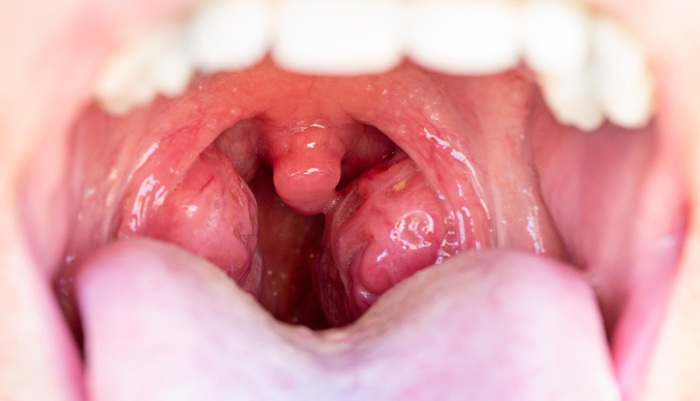

A sore throat is something almost everyone experiences at some point in life. Usually, it comes and goes within a few days due to a common cold, dry air, or minor infection. But when a sore throat becomes long-lasting, keeps coming back, or becomes severe, it may be more than just a simple irritation. It could be linked to a condition like chronic sore throat and tonsillitis, which often needs proper medical attention and a doctor consultation.
- What Is a Chronic Sore Throat?
- What Is Tonsillitis?
- Causes of Chronic Sore Throat and Tonsillitis
- 1. Repeated Infections
- 2. Untreated Acute Tonsillitis
- 3. Allergies
- 4. Acid Reflux (GERD)
- 5. Smoking and Air Pollution
- 6. Weak Immune System
- 7. Postnasal Drip
- Symptoms You Should Not Ignore
- Why Doctor Consultation Is Important
- Diagnosis of Chronic Sore Throat and Tonsillitis
- Treatment Options
- When Should You See a Doctor?
- Prevention Tips
- Conclusion
- Frequently Asked Questions (FAQs)
In this article, we will explain in simple words what chronic sore throat and tonsillitis mean, why they happen, their symptoms, treatment options, and when you should see a doctor.
What Is a Chronic Sore Throat?
A chronic sore throat is a throat pain or irritation that lasts for more than 10–14 days or keeps returning frequently. Unlike a normal sore throat that improves quickly, chronic sore throat does not fully go away without proper treatment.
It may feel like:
- Constant scratchiness in the throat
- Pain while swallowing
- Dry or burning sensation
- Feeling like something is stuck in the throat
Chronic sore throat is not a disease itself but a symptom of an underlying problem.
What Is Tonsillitis?
Tonsillitis is the inflammation or infection of the tonsils, which are two small glands located at the back of your throat. Tonsils help the body fight infections, but sometimes they themselves become infected by viruses or bacteria.
Tonsillitis can be:
- Acute tonsillitis – short-term infection (a few days to a week)
- Chronic tonsillitis – long-lasting or recurring infection
When tonsillitis becomes chronic, it often contributes to repeated sore throat episodes.
Causes of Chronic Sore Throat and Tonsillitis
There are several possible causes behind chronic sore throat and tonsillitis. Understanding them helps in proper treatment.
1. Repeated Infections
Frequent viral or bacterial infections can cause long-term irritation of the throat and tonsils.
2. Untreated Acute Tonsillitis
If acute tonsillitis is not treated properly, it may turn into a long-term condition.
3. Allergies
Dust, pollen, smoke, and pollution can irritate the throat and worsen tonsil inflammation.
4. Acid Reflux (GERD)
Stomach acid coming back into the throat can cause burning, irritation, and chronic sore throat.
5. Smoking and Air Pollution
Smoke from cigarettes or polluted air damages throat tissues and increases infection risk.
6. Weak Immune System
People with weak immunity may suffer from repeated throat infections.
7. Postnasal Drip
Excess mucus from the nose dripping into the throat can cause constant irritation.
Symptoms You Should Not Ignore
Chronic sore throat and tonsillitis may show different symptoms depending on severity. Common signs include:
- Persistent sore throat lasting weeks
- Swollen tonsils
- Redness at the back of the throat
- Difficulty swallowing
- Bad breath (halitosis)
- Ear pain (due to nerve connection)
- Fever (in case of infection)
- White or yellow patches on tonsils
- Hoarseness or voice changes
- Swollen lymph nodes in the neck
If these symptoms continue or return frequently, it is important to seek a doctor consultation.
Why Doctor Consultation Is Important
Many people ignore sore throat problems and try home remedies for a long time. While mild cases may improve naturally, chronic conditions require proper diagnosis.
A doctor consultation is important because:
- It helps identify the real cause (infection, allergy, reflux, etc.)
- Prevents complications like abscess or severe infection
- Ensures correct treatment (antibiotics or other medications)
- Reduces risk of recurring tonsillitis
- Improves quality of life by reducing pain and discomfort
An ENT (Ear, Nose, and Throat) specialist is usually the best doctor for this condition.
Diagnosis of Chronic Sore Throat and Tonsillitis
During consultation, the doctor may:
- Examine your throat and tonsils
- Ask about your medical history
- Check for swollen lymph nodes
- Perform throat swab tests (to detect bacteria)
- Recommend blood tests if needed
In some cases, imaging tests may also be required if complications are suspected.
Treatment Options
Treatment depends on the cause and severity of the condition.
1. Medications
- Antibiotics for bacterial infection
- Pain relievers for discomfort
- Anti-inflammatory medicines
- Antihistamines for allergies
2. Home Care and Lifestyle Changes
- Drink warm fluids like tea and soup
- Gargle with salt water
- Avoid smoking and polluted air
- Rest your voice
- Stay hydrated
3. Treating Acid Reflux
If GERD is the cause, doctors may recommend:
- Diet changes
- Avoiding spicy and fatty foods
- Acid-reducing medicines
4. Tonsillectomy (Surgery)
If tonsillitis is chronic and severe, doctors may suggest removing the tonsils. This is called a tonsillectomy. It is usually recommended when:
- Infections occur frequently
- Breathing or swallowing becomes difficult
- Medicines do not help
When Should You See a Doctor?
You should not delay medical help if you experience:
- Sore throat lasting more than 2 weeks
- Repeated tonsillitis episodes
- High fever with throat pain
- Difficulty swallowing or breathing
- Swelling in the neck
- Severe ear pain along with throat infection
Early consultation prevents complications and helps faster recovery.
Prevention Tips
You can reduce the risk of chronic sore throat and tonsillitis by:
- Washing hands regularly
- Avoiding close contact with sick people
- Not smoking
- Staying away from pollution when possible
- Drinking enough water
- Maintaining good oral hygiene
- Treating allergies and acid reflux early
Conclusion
Chronic sore throat and tonsillitis are more than just simple throat problems. When symptoms continue for a long time or keep returning, they may indicate an underlying condition that needs medical attention. Ignoring them can lead to discomfort, complications, and repeated infections.
A timely doctor consultation helps identify the exact cause and provides the right treatment plan. Whether it is medication, lifestyle changes, or in some cases surgery, proper medical guidance ensures better throat health and long-term relief.
Taking care of your throat is not just about comfort—it is about overall health and well-being.
Frequently Asked Questions (FAQs)
1. What is the difference between sore throat and tonsillitis?
A sore throat is a symptom of irritation or infection in the throat, while tonsillitis specifically refers to infection or inflammation of the tonsils.
2. Can chronic sore throat go away on its own?
Mild cases may improve, but chronic sore throat usually needs medical treatment because it is caused by an underlying issue.
3. Is tonsillitis contagious?
Yes, viral and bacterial tonsillitis can spread through coughing, sneezing, or close contact with an infected person.
4. When is tonsil removal necessary?
Doctors recommend tonsil removal when infections are frequent, severe, or do not improve with medicines.
5. Can home remedies cure chronic sore throat?
Home remedies like warm water, honey, and salt gargles can provide relief, but they do not cure the underlying cause. A doctor consultation is still important.