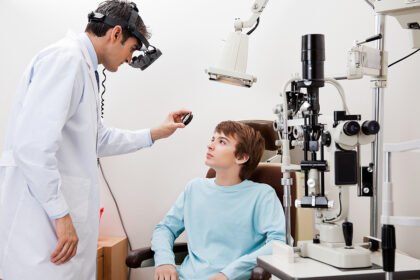

Hearing is one of the most important senses in human life. It helps us communicate, learn, enjoy music, stay aware of danger, and connect with the world around us. But sometimes, problems like ear infections or hearing loss can make life difficult. This is where a hearing loss and ear infection treatment clinic becomes very important.
- What is a Hearing Loss and Ear Infection Treatment Clinic?
- Common Causes of Hearing Loss
- Common Types of Ear Infections
- 1. Outer Ear Infection (Otitis Externa)
- 2. Middle Ear Infection (Otitis Media)
- 3. Inner Ear Infection (Labyrinthitis)
- Symptoms You Should Never Ignore
- How Clinics Diagnose Ear Problems
- Treatment Options Available
- Why Early Treatment is Important
- Who Should Visit These Clinics?
- How Clinics Help Improve Quality of Life
- Tips to Protect Your Hearing
- Final Thoughts
- Frequently Asked Questions (FAQs)
In this article, we will explain what these clinics do, what causes hearing problems, how treatment works, and why early care matters. Everything is written in simple and easy language so everyone can understand.
What is a Hearing Loss and Ear Infection Treatment Clinic?
A hearing loss and ear infection treatment clinic is a special medical place where doctors check, diagnose, and treat problems related to the ears. These clinics focus mainly on:
- Hearing loss (partial or complete difficulty in hearing)
- Ear infections (pain, swelling, or infection in the ear)
- Balance problems related to inner ear issues
- Tinnitus (ringing sound in the ears)
At these clinics, specialists such as ENT doctors (Ear, Nose, and Throat specialists) and audiologists work together to help patients.
They use special machines and tests to find out what is causing the problem and then suggest the best treatment.
Common Causes of Hearing Loss
Hearing loss can happen for many reasons. Some are temporary, while others can be permanent if not treated early.
1. Ear Infections
Ear infections are one of the most common causes. When bacteria or viruses enter the ear, they cause pain and swelling. Fluid buildup can also affect hearing.
2. Loud Noise Exposure
Listening to loud music, working in noisy environments, or using headphones at high volume can damage the inner ear over time.
3. Aging
As people grow older, the tiny hearing cells in the ear naturally become weak.
4. Injury or Trauma
An accident or injury to the head or ear can damage hearing ability.
5. Wax Build-up
Too much earwax can block the ear canal and reduce hearing temporarily.
Common Types of Ear Infections
Ear infections are a major reason people visit a clinic. There are three main types:
1. Outer Ear Infection (Otitis Externa)
This infection affects the outer part of the ear. It is often caused by water trapped in the ear or poor cleaning habits.
2. Middle Ear Infection (Otitis Media)
This happens behind the eardrum and is very common in children. It can cause pain, fever, and hearing difficulty.
3. Inner Ear Infection (Labyrinthitis)
This is a more serious condition that can affect hearing and balance, sometimes causing dizziness.
Symptoms You Should Never Ignore
If you notice any of these symptoms, you should visit a hearing loss and ear infection treatment clinic:
- Ear pain or discomfort
- Trouble hearing clearly
- Fluid or discharge from the ear
- Ringing sound in ears
- Dizziness or balance problems
- Fever with ear pain
- Feeling of pressure in the ear
Early treatment can prevent long-term damage.
How Clinics Diagnose Ear Problems
When you visit a clinic, the doctor will first ask about your symptoms and medical history. After that, they may perform several tests:
1. Physical Ear Examination
The doctor checks the ear using a special tool called an otoscope.
2. Hearing Tests (Audiometry)
This test checks how well you can hear different sounds and frequencies.
3. Tympanometry
This test checks the movement of the eardrum.
4. Imaging Tests
In some cases, CT scans or MRIs are used to check deeper problems.
These tests help doctors understand the exact cause of hearing loss or infection.
Treatment Options Available
Treatment depends on the type and severity of the problem.
1. Medicines
For ear infections, doctors may prescribe:
- Antibiotics (for bacterial infections)
- Ear drops
- Pain relievers
- Anti-inflammatory medicines
2. Ear Cleaning
If wax buildup is the issue, professional cleaning is done safely in the clinic.
3. Hearing Aids
If hearing loss is permanent or age-related, hearing aids help improve hearing ability.
4. Surgery
In severe cases, such as damaged eardrums or chronic infections, surgery may be required.
5. Sound Therapy and Rehabilitation
For conditions like tinnitus or long-term hearing loss, therapy can help patients adjust better.
Why Early Treatment is Important
Many people ignore ear problems at the beginning, thinking they are small issues. But untreated ear infections or hearing loss can lead to serious problems like:
- Permanent hearing damage
- Speech difficulties in children
- Chronic ear pain
- Spread of infection to other parts
Visiting a hearing loss and ear infection treatment clinic early can prevent these complications and improve quality of life.
Who Should Visit These Clinics?
You should consider visiting a clinic if:
- You often ask people to repeat themselves
- You increase TV or phone volume too much
- Your child has trouble responding to sounds
- You feel ear pain or blockage
- You experience dizziness with hearing problems
Even mild symptoms should not be ignored.
How Clinics Help Improve Quality of Life
These clinics do more than just treat diseases. They help people regain confidence and enjoy life again. Good hearing allows:
- Better communication with family and friends
- Improved learning for children
- Safer daily life
- Better mental health and less isolation
Doctors also guide patients on how to protect their ears in the future.
Tips to Protect Your Hearing
Here are some simple ways to take care of your ears:
- Avoid loud noise for long periods
- Keep headphone volume low
- Do not insert sharp objects in ears
- Keep ears dry after swimming or bathing
- Visit a doctor if you feel pain or blockage
Prevention is always better than treatment.
Final Thoughts
A hearing loss and ear infection treatment clinic plays an important role in protecting one of our most valuable senses—hearing. Whether it is a small ear infection or serious hearing loss, early diagnosis and proper treatment can make a big difference.
If you or someone in your family is facing ear-related problems, do not wait. A simple visit to a clinic can help detect the issue early and provide the right treatment. Healthy hearing means a better and more connected life.
Frequently Asked Questions (FAQs)
1. What does a hearing loss and ear infection treatment clinic do?
It diagnoses and treats ear-related problems like hearing loss, infections, tinnitus, and balance issues using medical tests and treatments.
2. Are ear infections dangerous if left untreated?
Yes, untreated ear infections can lead to permanent hearing loss or spread of infection to nearby areas.
3. Can hearing loss be reversed?
Some types of hearing loss are temporary and can be treated, but permanent damage may require hearing aids or therapy.
4. Do children also need ear checkups?
Yes, children are more prone to ear infections, so regular checkups are very important for healthy development.
5. When should I visit a clinic for ear problems?
If you experience pain, hearing difficulty, ringing sound, or dizziness, you should visit a clinic as soon as possible.