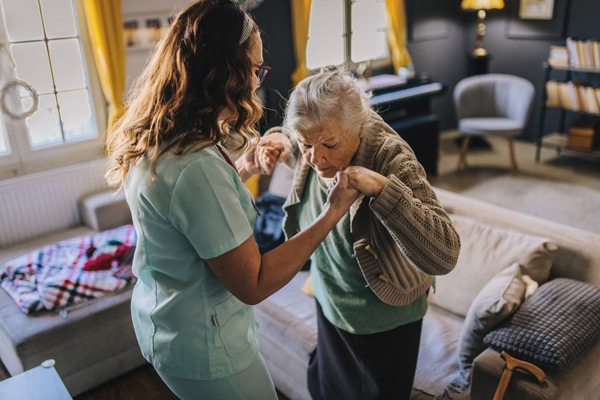

As people grow older, their bodies naturally become weaker, balance becomes less stable, and movement becomes more difficult. One of the biggest health risks for older adults is falling. A simple fall can lead to serious injuries like fractures, head trauma, or long recovery times. This is where geriatric fall prevention and mobility assistance services play a very important role.
- Understanding Geriatric Fall Prevention and Mobility Assistance Services
- Why Fall Prevention Is So Important for Elderly People
- Key Components of Fall Prevention and Mobility Services
- 1. Physical Therapy and Exercise Programs
- 2. Mobility Assistance Tools
- 3. Home Safety Improvements
- 4. Health Checkups and Risk Assessment
- 5. Caregiver and Personal Support
- How These Services Improve Daily Life
- Role of Technology in Fall Prevention
- Challenges in Geriatric Mobility Care
- Tips for Preventing Falls at Home
- The Importance of Family Support
- Conclusion
These services are designed to help older adults stay safe, move confidently, and maintain independence for as long as possible. In this article, we will explore what these services are, why they matter, how they work, and how they improve the quality of life for elderly people.
Understanding Geriatric Fall Prevention and Mobility Assistance Services
Geriatric fall prevention and mobility assistance services are special healthcare and support programs created for elderly individuals. Their main goal is to reduce the risk of falling and to help older adults move safely from one place to another.
These services may include:
- Physical exercises to improve balance and strength
- Home safety checks and modifications
- Walking aids like canes, walkers, or wheelchairs
- Training for safe movement and posture
- Support from caregivers or health workers
- Medical assessment of fall risks
In simple words, these services help older people “stay on their feet” safely.
Why Fall Prevention Is So Important for Elderly People
Falls are one of the leading causes of injury among older adults. As age increases, several natural changes happen in the body:
- Muscles become weaker
- Bones become more fragile
- Vision may decline
- Reaction time becomes slower
- Balance becomes less stable
Because of these changes, even small hazards like wet floors, uneven surfaces, or poor lighting can lead to a dangerous fall.
A fall can cause:
- Broken hips or arms
- Long hospital stays
- Loss of independence
- Fear of walking again
- Reduced confidence
This is why prevention is always better than treatment.
Key Components of Fall Prevention and Mobility Services
These services are not just one single activity. They include many supportive steps working together.
1. Physical Therapy and Exercise Programs
Exercise is one of the most important parts of fall prevention. Special exercises help improve:
- Balance
- Muscle strength
- Flexibility
- Walking stability
Simple activities like stretching, leg strengthening, and slow walking practice can make a big difference.
2. Mobility Assistance Tools
Many older adults need support devices to move safely. These include:
- Walking sticks (canes)
- Walkers with wheels
- Wheelchairs for limited mobility
- Grab bars for support
These tools reduce pressure on weak legs and help maintain balance.
3. Home Safety Improvements
A large number of falls happen at home. That is why home safety checks are important. Common improvements include:
- Removing loose rugs
- Installing handrails on stairs
- Improving lighting in dark areas
- Keeping pathways clear
- Using non-slip mats in bathrooms
A safe home environment greatly reduces accident risks.
4. Health Checkups and Risk Assessment
Doctors and caregivers often check the overall health of older adults to identify fall risks. They may look at:
- Blood pressure
- Vision problems
- Medication side effects
- Joint or bone conditions
Some medicines can cause dizziness, which increases the chance of falling.
5. Caregiver and Personal Support
Caregivers play an important role. They assist elderly individuals in:
- Walking safely
- Bathing and dressing
- Moving around the house
- Going outside for appointments
Their support ensures safety and emotional comfort.
How These Services Improve Daily Life
Geriatric fall prevention and mobility assistance services are not only about safety—they also improve quality of life.
Here’s how:
Increased Confidence
Older adults feel more confident when they know they can move safely without falling.
Better Independence
They can perform daily tasks without depending fully on others.
Reduced Hospital Visits
Fewer falls mean fewer injuries and fewer medical emergencies.
Improved Mental Health
Fear of falling often causes anxiety. These services reduce fear and increase peace of mind.
Role of Technology in Fall Prevention
Modern technology is also helping in elderly care. Some helpful tools include:
- Fall detection sensors
- Smart watches that monitor movement
- Emergency alert systems
- Motion-sensor lights
If a fall happens, some devices can automatically send alerts to family members or caregivers.
Challenges in Geriatric Mobility Care
Even though these services are very helpful, there are some challenges:
- Some elderly people resist using walking aids
- Cost of care services can be high
- Lack of awareness about fall prevention
- Limited access in rural areas
- Emotional resistance to accepting help
Overcoming these challenges requires education, patience, and family support.
Tips for Preventing Falls at Home
Here are some simple and practical tips:
- Wear non-slip shoes inside the house
- Keep rooms well-lit at all times
- Avoid clutter on floors
- Sit down slowly when standing up
- Keep frequently used items within reach
- Use handrails on stairs and bathrooms
Small changes can make a big difference in safety.
The Importance of Family Support
Family members play a major role in elderly care. Simple actions like:
- Checking on parents regularly
- Helping with home modifications
- Encouraging exercise
- Going for walks together
can greatly improve safety and emotional well-being.
Conclusion
Geriatric fall prevention and mobility assistance services are essential for protecting older adults from injuries and helping them live independently. These services combine physical training, home safety, medical care, assistive devices, and emotional support.
As people age, their bodies need more care and attention. With the right support system, elderly individuals can continue living active, confident, and meaningful lives without the constant fear of falling.
Preventing falls is not just about safety—it is about preserving dignity, independence, and quality of life.
FAQs
1. What are geriatric fall prevention services?
They are programs designed to reduce the risk of falls in older adults through exercises, safety tools, medical care, and home improvements.
2. Who needs mobility assistance services?
Elderly people who have weak balance, muscle weakness, joint pain, or difficulty walking may need these services.
3. Can exercise really prevent falls in old age?
Yes, regular balance and strength exercises can greatly improve stability and reduce fall risk.
4. What are common tools used for mobility assistance?
Canes, walkers, wheelchairs, grab bars, and non-slip mats are commonly used tools.
5. Are these services available at home?
Yes, many services are provided at home including caregiver support, home safety checks, and physical therapy sessions.