
Introduction
As people grow older, their health needs often become more complex. Many elderly individuals live with long-term health problems such as diabetes, heart disease, arthritis, chronic lung disease, or kidney issues. These conditions are called chronic illnesses because they last for a long time and usually require ongoing care rather than a one-time treatment.
- Introduction
- What Are In-Home Elderly Care Services?
- Why Chronic Illness Patients Need Special Care
- Types of In-Home Care Services
- 1. Personal Care Assistance
- 2. Nursing Care
- 3. Medical Monitoring
- 4. Physiotherapy Support
- 5. Companionship Care
- 6. Palliative Care
- Benefits of In-Home Elderly Care Services
- 1. Comfort of Home
- 2. Personalized Attention
- 3. Better Quality of Life
- 4. Reduced Hospital Visits
- 5. Emotional Support
- 6. Cost-Effective
- Role of Family in Home Care
- Challenges in In-Home Elderly Care
- Technology in Home Elderly Care
- Why In-Home Care Is Growing in Demand
- Conclusion
- FAQs
For many families, taking care of an elderly loved one with a chronic illness can be challenging. Hospital visits, medications, mobility issues, and emotional support all require time, patience, and knowledge. This is where in-home elderly care services for chronic illness patients become very important.
These services allow older adults to receive professional care in the comfort of their own home instead of staying in a hospital or moving to a nursing facility. In this article, we will explain what these services are, how they work, their benefits, and why they are becoming more popular today.
What Are In-Home Elderly Care Services?
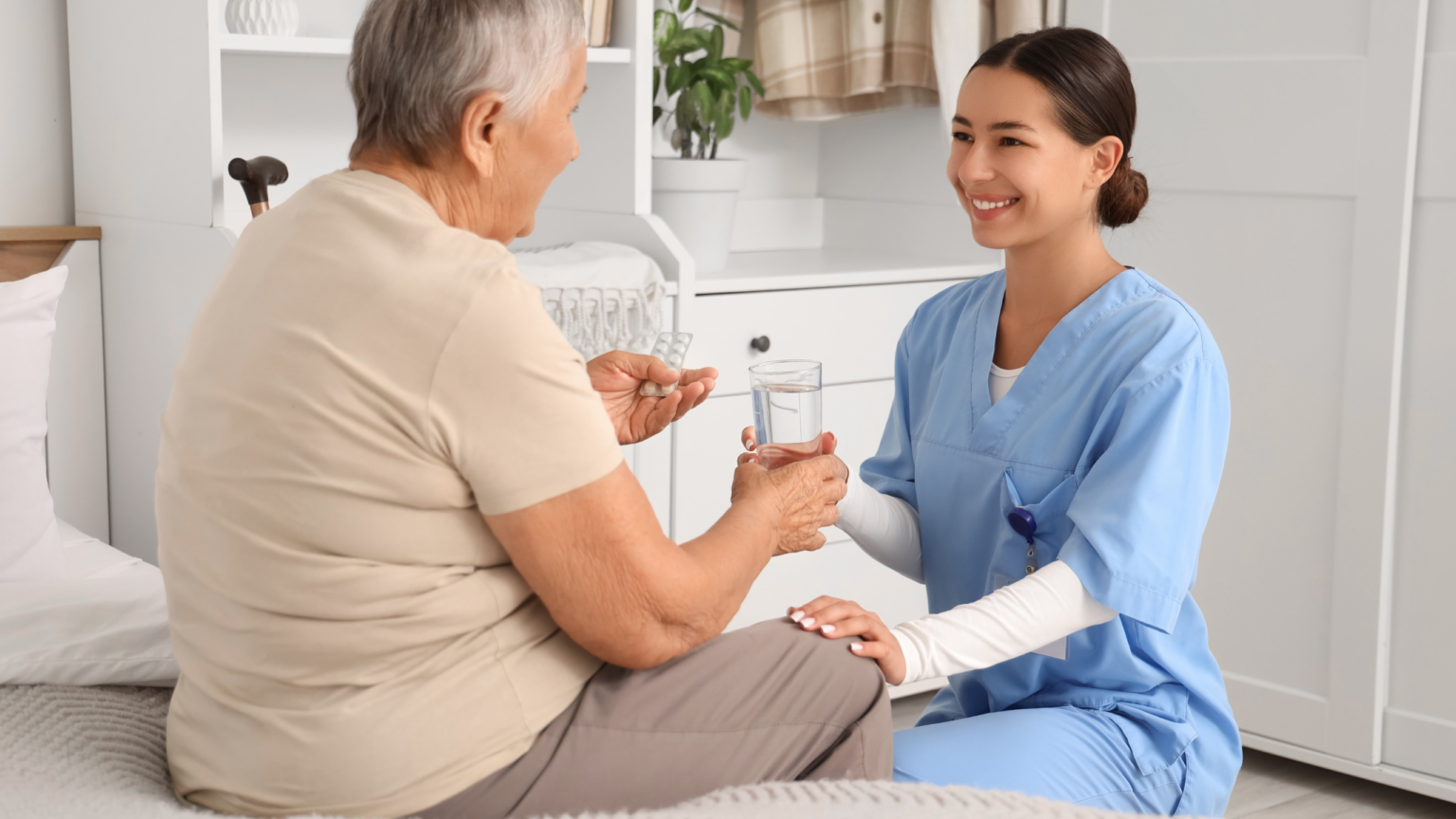
In-home elderly care services are professional support services provided to older adults in their own homes. Caregivers or nurses visit the patient regularly or live with them, depending on the level of care needed.
For chronic illness patients, these services are specially designed to manage long-term health conditions. This includes:
- Monitoring blood pressure, sugar levels, or oxygen levels
- Helping with daily activities like bathing, dressing, and eating
- Giving prescribed medicines on time
- Supporting mobility and preventing falls
- Assisting with doctor appointments
- Providing emotional and mental support
The goal is to help elderly patients live safely, comfortably, and independently while managing their illness effectively.
Why Chronic Illness Patients Need Special Care
Chronic illnesses are different from short-term diseases. They do not go away quickly and often get worse over time if not properly managed. Elderly patients may face multiple conditions at the same time, which increases their care needs.
For example:
- A diabetic patient may also have vision problems or nerve pain
- A heart patient may feel tired easily and need constant monitoring
- A person with arthritis may struggle to walk or move without help
Because of these challenges, regular medical treatment alone is not enough. Patients need continuous daily care, which is where in-home services play a key role.
Types of In-Home Care Services
In-home elderly care is not the same for every patient. It depends on the condition and needs of the individual. Some common types include:
1. Personal Care Assistance
This includes help with daily activities like bathing, grooming, dressing, and eating.
2. Nursing Care
Professional nurses visit or stay with the patient to manage medications, injections, wound care, and health monitoring.
3. Medical Monitoring
Caregivers check vital signs like blood pressure, heart rate, and sugar levels regularly.
4. Physiotherapy Support
For patients with limited mobility, physiotherapists help improve movement and reduce pain.
5. Companionship Care
Loneliness is common among elderly people. Caregivers provide emotional support and conversation.
6. Palliative Care
For patients with serious or advanced illnesses, this care focuses on comfort, pain relief, and quality of life.
Benefits of In-Home Elderly Care Services
There are many advantages to choosing home-based care for chronic illness patients.
1. Comfort of Home
Being in a familiar environment helps patients feel relaxed and emotionally secure. Home surroundings often speed up recovery and reduce stress.
2. Personalized Attention
Unlike hospitals where staff care for many patients, in-home care focuses on one individual. This allows more attention and better understanding of patient needs.
3. Better Quality of Life
Patients can maintain their daily routines, enjoy family time, and live more independently.
4. Reduced Hospital Visits
Regular monitoring at home helps detect health problems early, reducing emergency hospital visits.
5. Emotional Support
Chronic illness can lead to anxiety or depression. Caregivers provide companionship, reducing loneliness.
6. Cost-Effective
Long hospital stays or nursing homes can be expensive. In-home care is often more affordable and flexible.
Role of Family in Home Care
Family members play an important role in supporting elderly patients. Even when professional caregivers are involved, emotional support from family is very important.
Families can help by:
- Spending quality time with the patient
- Communicating regularly with caregivers
- Ensuring the home environment is safe
- Encouraging healthy eating and habits
When family and caregivers work together, the patient receives better overall care.
Challenges in In-Home Elderly Care
Although in-home care has many benefits, there are also some challenges:
1. Finding Qualified Caregivers
Not all caregivers are trained to handle complex chronic conditions.
2. Emotional Stress
Family members may feel stressed managing care responsibilities.
3. Medical Emergencies
In some cases, sudden health issues may require immediate hospital care.
4. Cost Concerns
While often cheaper than hospitals, long-term care services can still be expensive for some families.
Despite these challenges, proper planning and professional support can make home care effective and safe.
Technology in Home Elderly Care
Modern technology is improving in-home care services. Today, caregivers use:
- Digital health monitoring devices
- Mobile apps for medication reminders
- Video consultations with doctors
- Emergency alert systems
These tools help ensure better safety and quick response in case of health issues.
Why In-Home Care Is Growing in Demand
The demand for in-home elderly care services is increasing worldwide. The main reasons include:
- Aging population
- Rise in chronic diseases
- Preference for home comfort
- High hospital costs
- Better availability of trained caregivers
Families now understand that quality care does not always require a hospital stay. Home care provides a balance of medical support and emotional comfort.
Conclusion
In-home elderly care services for chronic illness patients are an essential support system for modern families. They help elderly individuals live with dignity, comfort, and independence while managing long-term health conditions.
These services not only focus on medical needs but also on emotional well-being and daily life support. With the help of trained caregivers, family involvement, and modern technology, elderly patients can enjoy a better quality of life at home.
Choosing in-home care is not just a medical decision—it is also a compassionate choice that brings peace to both patients and their families.
FAQs
1. What is in-home elderly care for chronic illness patients?
It is a service where trained caregivers or nurses provide medical and daily living support to elderly people with long-term health conditions in their own homes.
2. Who needs in-home elderly care services?
Elderly individuals with chronic illnesses like diabetes, heart disease, arthritis, or mobility issues often need this type of care.
3. Is in-home care better than a nursing home?
It depends on the patient’s condition. In many cases, home care offers more comfort, personalized attention, and emotional support.
4. What services are included in home elderly care?
Services may include medication management, personal hygiene assistance, medical monitoring, physiotherapy, and companionship.
5. How do families benefit from in-home care services?
Families get peace of mind knowing their loved ones are cared for professionally while still staying in a familiar and comfortable environment.