
Glaucoma is one of the most serious eye conditions that can slowly damage vision without obvious early warning signs. Many people do not realize they have it until some vision is already lost. Because of this, early detection and proper treatment are very important. A glaucoma treatment and eye pressure control clinic is a specialized place where eye doctors focus on diagnosing glaucoma, controlling eye pressure, and protecting long-term vision.
- What is Glaucoma?
- Why Eye Pressure is Important
- What Happens in a Glaucoma Treatment and Eye Pressure Control Clinic?
- 1. Eye Pressure Test (Tonometry)
- 2. Optic Nerve Examination
- 3. Visual Field Test
- 4. Corneal Thickness Test
- 5. Imaging Tests (OCT Scan)
- Types of Glaucoma
- Treatment Options for Glaucoma
- Importance of Regular Check-Ups
- How Clinics Help Prevent Vision Loss
- Living with Glaucoma
- Future of Glaucoma Treatment
- Conclusion
- Frequently Asked Questions (FAQs)
This article explains what glaucoma is, how eye pressure is connected to it, what happens in a glaucoma clinic, and what treatments are commonly used. The goal is to help you understand the condition in a simple and clear way.
What is Glaucoma?
Glaucoma is a group of eye diseases that damage the optic nerve. The optic nerve is like a cable that connects your eye to your brain. It sends visual signals so you can see clearly. When this nerve gets damaged, vision starts to weaken, usually from the side (peripheral vision) first.
The main cause of this damage is often high pressure inside the eye, also called intraocular pressure (IOP). However, glaucoma can sometimes occur even with normal eye pressure, which makes regular check-ups very important.
If untreated, glaucoma can lead to permanent vision loss or even blindness.
Why Eye Pressure is Important
Inside your eye, there is a fluid called aqueous humor. This fluid helps maintain eye shape and provides nutrients. Normally, this fluid drains out through a special drainage system.
When the fluid does not drain properly, pressure builds up inside the eye. This increased pressure can slowly damage the optic nerve.
A glaucoma treatment and eye pressure control clinic focuses mainly on:
- Measuring eye pressure regularly
- Keeping pressure in a safe range
- Preventing damage to the optic nerve
- Monitoring vision changes over time
Eye pressure control is the key step in preventing glaucoma from getting worse.
What Happens in a Glaucoma Treatment and Eye Pressure Control Clinic?
When you visit a glaucoma clinic, the process is usually simple but very detailed. The doctor or eye specialist performs several tests to check your eye health.
1. Eye Pressure Test (Tonometry)
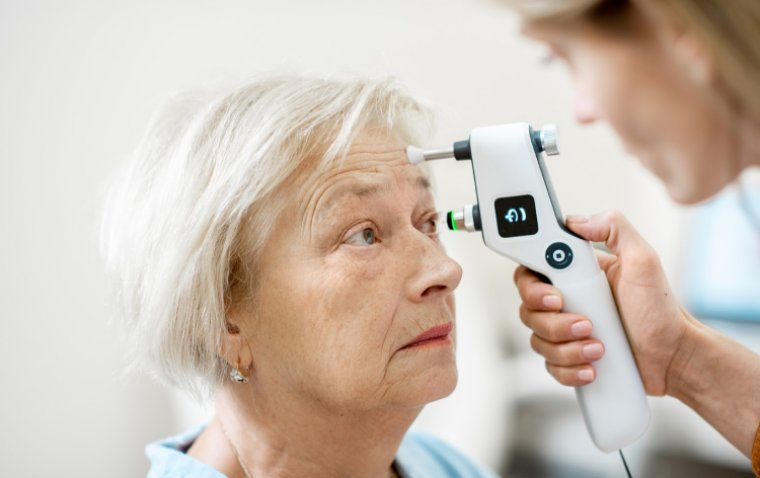
This is the most common test. It measures the pressure inside your eye. It is quick, painless, and very important for diagnosis.
2. Optic Nerve Examination
The doctor checks the optic nerve using special lenses or imaging machines. This helps detect early damage.
3. Visual Field Test
This test checks your side vision. Glaucoma usually affects peripheral vision first, so this test is very important.
4. Corneal Thickness Test
Thicker or thinner corneas can affect pressure readings, so this test helps give accurate results.
5. Imaging Tests (OCT Scan)
Modern clinics often use Optical Coherence Tomography (OCT) to take detailed pictures of the optic nerve and retina.
All these tests help doctors understand the stage of glaucoma and create a treatment plan.
Types of Glaucoma
A glaucoma treatment and eye pressure control clinic usually deals with different types of glaucoma:
1. Open-Angle Glaucoma
This is the most common type. It develops slowly and has no early symptoms.
2. Angle-Closure Glaucoma
This type is more sudden and painful. It can be an emergency condition.
3. Normal-Tension Glaucoma
In this case, eye pressure is normal but optic nerve damage still occurs.
4. Secondary Glaucoma
This happens due to other diseases, injuries, or medications.
Understanding the type of glaucoma helps the doctor choose the right treatment.
Treatment Options for Glaucoma
The main goal of treatment is to reduce eye pressure and prevent further damage. Treatment does not usually reverse vision loss but helps protect remaining vision.
1. Eye Drops
Eye drops are the most common treatment. They help reduce eye pressure by either:
- Decreasing fluid production
- Improving fluid drainage
Patients must use them daily as prescribed.
2. Laser Treatment
Laser therapy helps improve drainage in the eye. It is often used when eye drops are not enough.
3. Surgery
In advanced cases, surgery may be needed to create a new drainage pathway for fluid.
4. Lifestyle Support
Doctors may also recommend:
- Regular exercise
- Healthy diet
- Avoiding smoking
- Reducing stress
These do not cure glaucoma but support eye health.
Importance of Regular Check-Ups
Glaucoma is often called the “silent thief of sight” because it progresses slowly without pain. Many people do not notice vision loss until it becomes serious.
A glaucoma treatment and eye pressure control clinic emphasizes regular check-ups because:
- Early detection prevents major vision loss
- Treatment can be adjusted if pressure changes
- Progression can be monitored over time
People over 40, diabetics, and those with a family history of glaucoma should get regular eye exams.
How Clinics Help Prevent Vision Loss
Specialized clinics are very important because they provide continuous monitoring and expert care. They use advanced technology and experienced doctors to manage the disease effectively.
They focus on:
- Early diagnosis
- Accurate pressure control
- Personalized treatment plans
- Long-term monitoring
This structured care greatly reduces the risk of blindness.
Living with Glaucoma
If someone is diagnosed with glaucoma, it is not the end of normal life. With proper care, many people continue to live normally and maintain good vision.
Important habits include:
- Taking medication regularly
- Attending follow-up visits
- Avoiding missed doses of eye drops
- Reporting any vision changes quickly
Consistency is the key to controlling the disease.
Future of Glaucoma Treatment
Medical research is improving treatment every year. New eye drops, better laser techniques, and advanced surgical methods are making treatment more effective and less invasive.
Some future developments include:
- Long-lasting drug implants
- Smarter diagnostic tools
- AI-based eye scans for early detection
These advancements are improving how clinics manage eye pressure and glaucoma care.
Conclusion
A glaucoma treatment and eye pressure control clinic plays a vital role in protecting vision and preventing blindness. Glaucoma is a serious but manageable condition if detected early and treated properly. Regular eye exams, proper medication, and expert care are the foundation of successful treatment.
Understanding eye pressure and taking timely action can make a big difference in preserving eyesight for life.
Frequently Asked Questions (FAQs)
1. What is the main cause of glaucoma?
The main cause is usually increased eye pressure that damages the optic nerve over time. However, some types of glaucoma can occur even with normal pressure.
2. Can glaucoma be cured completely?
No, glaucoma cannot be fully cured. But it can be controlled with treatment to prevent further vision loss.
3. How often should I visit a glaucoma clinic?
If you are at risk, you should visit every 6 to 12 months, or as advised by your eye doctor.
4. Is glaucoma treatment painful?
Most treatments, including eye drops and laser procedures, are not painful. Surgery may involve some recovery discomfort.
5. Can lifestyle changes help glaucoma?
Yes, healthy habits like exercise, a balanced diet, and avoiding smoking can support eye health, but they cannot replace medical treatment.