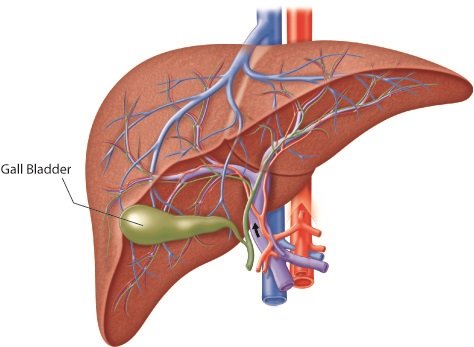

The gallbladder is a small organ located beneath the liver on the right side of the abdomen. It stores and concentrates bile, a digestive fluid produced by the liver. After a person eats a meal containing fat, the gallbladder contracts, and it releases bile into the small intestine to help digest fats. Problems with this organ may cause discomfort and interfere with digestion. Learning about how gallbladder conditions affect an individual’s health and when gallbladder removal is necessary can help you have informed discussions with your healthcare providers.
What Conditions Affect Gallbladder Health?
Several conditions may affect how the gallbladder functions. Gallstones are a common issue, and these hardened deposits form when substances in bile become imbalanced and crystallize. Gallstones can range from the size of a grain of sand to that of a golf ball. Cholecystitis refers to inflammation of the gallbladder. It often develops when a gallstone blocks a tube that carries bile out of the organ. Cholecystitis may be acute, appearing suddenly, or chronic, developing gradually after repeated episodes.
Biliary dyskinesia is a condition in which the gallbladder does not empty bile properly, even without the presence of gallstones. Gallstone pancreatitis is another concern, and it refers to inflammation of the pancreas that can occur when a gallstone blocks the pancreatic duct. Certain factors may raise a person’s likelihood of developing gallbladder problems. These include age, family history, and diets that are high in fat.
How Is One’s Health Impacted?
Gallbladder conditions do not always produce symptoms. Some people have gallstones without knowing it. A common symptom is pain in the upper right abdomen. This discomfort is called a gallbladder attack, and it may begin suddenly and last from several minutes to a few hours. Episodes can occur after a fatty meal. Other symptoms may include:
- Nausea or vomiting
- Fever or chills
- Yellowing of the skin or eyes, known as jaundice
- Urine that appears brown or pale stools
Persistent abdominal pain, high fever, or jaundice can indicate a more serious complication that warrants prompt medical evaluation.
What Is Gallbladder Removal?
Gallbladder removal, known medically as a cholecystectomy, is a surgical procedure to remove the gallbladder. Physicians may recommend it for patients with recurring gallstone attacks, gallbladder inflammation, or other conditions affecting the organ. The liver continues to produce bile after surgery, so the body can generally continue to digest food. Bile flows directly from the liver into the small intestine instead of being stored first.
The most common form of this procedure is the laparoscopic cholecystectomy; this is where the surgeon makes several small incisions and inserts a thin tube with a camera along with specialized instruments. The camera displays images on a monitor to guide the procedure, making it a minimally invasive option. It is performed under general anesthesia. Patients who undergo laparoscopic surgery may return home the same day or the following day. Some people notice changes in digestion after surgery, and your surgeon can offer personalized dietary guidance to support your recovery.
Confer With a Surgeon
Before recommending surgery, a surgeon may review a patient’s medical history and symptoms and order diagnostic tests. These results help the surgeon determine if the gallbladder is the source of the symptoms, and this can help them decide which treatment approach suits the patient’s needs. A surgeon may suggest monitoring or dietary adjustments before proceeding with surgery. If you are experiencing symptoms associated with gallbladder conditions, contact a surgeon to discuss your options.