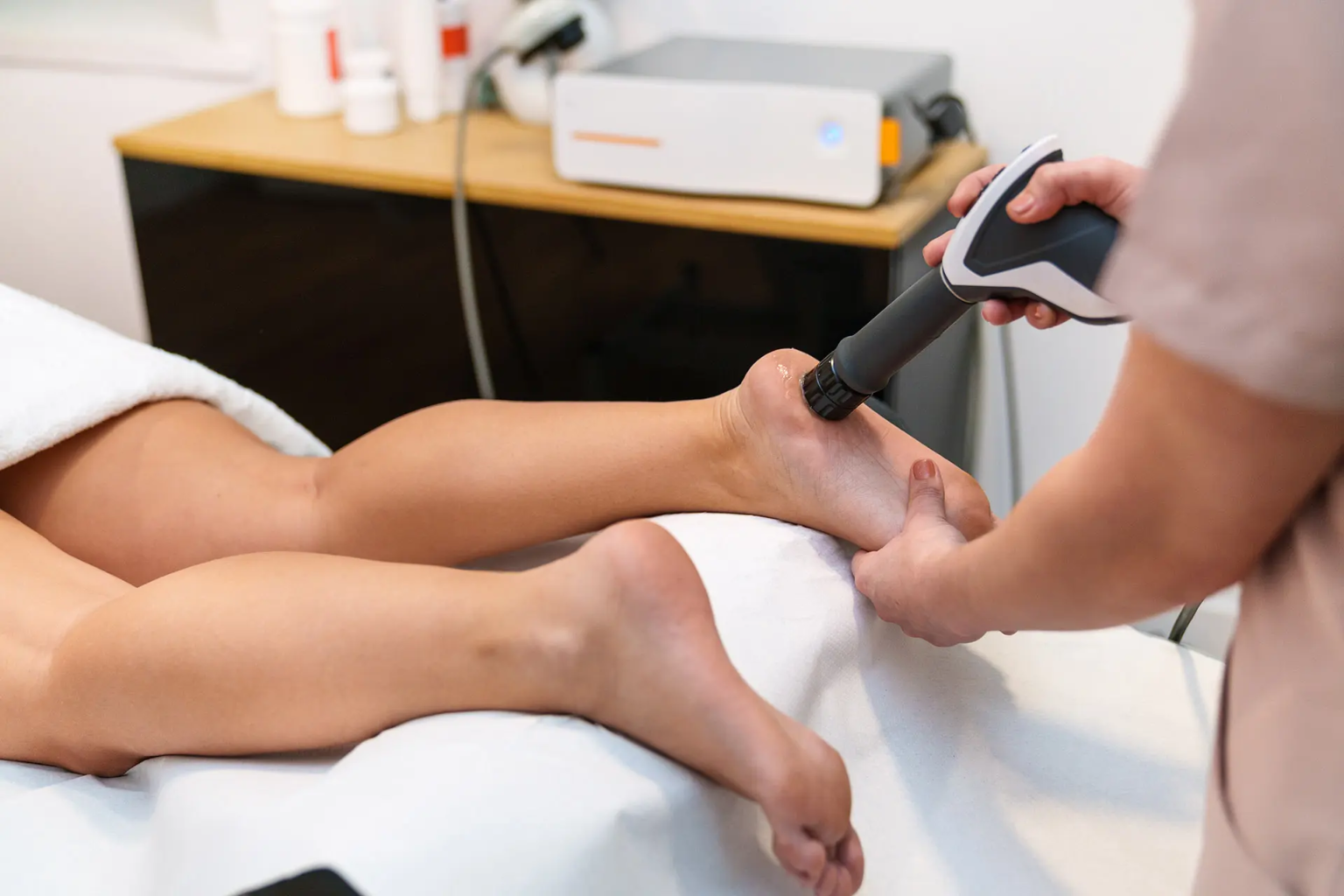

Heel pain is one of the most common foot problems people face in daily life. It can start as a mild discomfort in the morning and slowly become a sharp pain that affects walking, standing, and even resting. One of the biggest reasons behind heel pain is a condition called plantar fasciitis. Understanding this condition and its treatment can help you recover faster and prevent long-term pain.
- What is Heel Pain?
- What is Plantar Fasciitis?
- Causes of Heel Pain and Plantar Fasciitis
- 1. Overuse of Feet
- 2. Wrong Footwear
- 3. Obesity
- 4. Flat Feet or High Arches
- 5. Age Factor
- 6. Sports Activities
- Symptoms of Plantar Fasciitis
- Diagnosis of Heel Pain
- Heel Pain and Plantar Fasciitis Treatment Options
- 1. Rest and Activity Changes
- 2. Ice Therapy
- 3. Proper Footwear
- 4. Stretching Exercises
- 5. Pain Relief Medicines
- 6. Orthotic Inserts
- 7. Physical Therapy
- 8. Night Splints
- 9. Steroid Injections (Severe Cases)
- 10. Surgery (Rare)
- Home Remedies for Fast Relief
- Exercises for Plantar Fasciitis
- Prevention Tips
- When to See a Doctor
- Conclusion
In this article, we will explain heel pain and plantar fasciitis in simple words, discuss causes and symptoms, and explore effective treatment options. You will also learn easy home remedies, medical treatments, exercises, and prevention tips.
What is Heel Pain?
Heel pain is discomfort or pain at the back or bottom of the foot. The heel takes the full pressure of your body when you walk, run, or stand. Because of this constant pressure, it is easy for the heel to become injured or inflamed.
Heel pain is not a disease itself. It is usually a symptom of another problem, and plantar fasciitis is the most common cause.
What is Plantar Fasciitis?
Plantar fasciitis is the inflammation of a thick band of tissue called the plantar fascia. This tissue runs across the bottom of your foot and connects your heel bone to your toes. It supports the arch of your foot and helps you walk properly.
When this tissue gets overused or strained, small tears can develop. These tears cause pain and swelling, especially near the heel.
The pain is usually worse:
- In the morning when you take your first steps
- After long periods of standing or sitting
- After exercise or physical activity
Causes of Heel Pain and Plantar Fasciitis
There are several reasons why heel pain or plantar fasciitis can develop. Some common causes include:
1. Overuse of Feet
Standing for long hours, running, or walking long distances can put extra pressure on the heel.
2. Wrong Footwear
Shoes without proper support or cushioning can increase stress on the plantar fascia.
3. Obesity
Extra body weight increases pressure on the heel and foot muscles.
4. Flat Feet or High Arches
Abnormal foot structure can affect weight distribution and cause strain.
5. Age Factor
People between 40 and 60 years old are more likely to develop this condition.
6. Sports Activities
Athletes, runners, and dancers often suffer due to repeated impact on their feet.
Symptoms of Plantar Fasciitis
The most common symptom is heel pain, but it can feel different for different people. Typical symptoms include:
- Sharp pain in the heel in the morning
- Pain after standing for long time
- Burning or aching sensation in the bottom of the foot
- Stiffness in the heel area
- Pain that improves with movement but returns later
If the condition is not treated early, the pain can become constant and affect daily activities.
Diagnosis of Heel Pain
Doctors usually diagnose plantar fasciitis based on symptoms and physical examination. They may press different areas of your foot to check pain points.
In some cases, imaging tests like X-rays or ultrasound may be used to rule out other problems such as fractures or arthritis.
Heel Pain and Plantar Fasciitis Treatment Options
The good news is that most cases of plantar fasciitis improve with simple treatments. Surgery is rarely needed.
1. Rest and Activity Changes
Resting your foot is very important. Avoid activities that increase pain, such as long running or standing for hours.
2. Ice Therapy
Applying ice to the heel for 15–20 minutes helps reduce swelling and pain. Do this 2–3 times a day.
3. Proper Footwear
Wear shoes with:
- Good arch support
- Soft cushioning
- Shock absorption
Avoid walking barefoot on hard surfaces.
4. Stretching Exercises
Stretching is one of the most effective treatments. It helps loosen the plantar fascia and calf muscles.
Simple exercises include:
- Calf stretches against a wall
- Rolling a water bottle under your foot
- Stretching toes upward with your hand
5. Pain Relief Medicines
Over-the-counter medicines like anti-inflammatory drugs can reduce pain and swelling. Always use them with care and follow medical advice.
6. Orthotic Inserts
Special shoe inserts (orthotics) help support the arch and reduce pressure on the heel.
7. Physical Therapy
A physical therapist can guide you through special exercises and treatments like massage and ultrasound therapy.
8. Night Splints
Wearing a night splint keeps your foot stretched while sleeping. This reduces morning pain.
9. Steroid Injections (Severe Cases)
If pain is severe and does not improve, doctors may suggest steroid injections to reduce inflammation.
10. Surgery (Rare)
Surgery is only needed in extreme cases when all other treatments fail. It is not common.
Home Remedies for Fast Relief
You can also try simple home care methods:
- Massage your heel with warm oil
- Use a frozen water bottle to roll under your foot
- Soak feet in warm water with Epsom salt
- Maintain healthy body weight
- Avoid long standing without breaks
These methods help reduce pain naturally over time.
Exercises for Plantar Fasciitis
Regular exercise is very helpful in recovery. Try these:
Toe Stretch
Pull your toes backward gently for 15–30 seconds.
Towel Stretch
Sit with legs straight, place a towel around your foot, and pull it toward you.
Heel Raises
Stand and slowly lift your heels off the ground, then lower them.
Doing these exercises daily improves flexibility and reduces pain.
Prevention Tips
Preventing heel pain is easier than treating it. Follow these tips:
- Wear comfortable shoes with arch support
- Avoid walking barefoot on hard floors
- Stretch before and after exercise
- Maintain a healthy weight
- Avoid sudden increase in physical activity
- Replace worn-out shoes regularly
When to See a Doctor
You should consult a doctor if:
- Pain continues for more than 2–3 weeks
- You cannot walk properly
- Pain becomes severe or constant
- Home treatments do not help
Early treatment can prevent long-term problems.
Conclusion
Heel pain caused by plantar fasciitis is a common but treatable condition. It usually develops due to strain on the foot’s tissue, poor footwear, or excessive activity. The good news is that most people recover fully with rest, exercises, proper shoes, and simple home care.
If treated early, heel pain can be managed easily without surgery or complex procedures. Taking care of your feet, staying active in a balanced way, and wearing supportive shoes are the key steps to long-term relief and prevention.
Frequently Asked Questions (FAQs)
1. How long does plantar fasciitis take to heal?
It usually takes a few weeks to several months, depending on the severity and treatment. Early care leads to faster recovery.
2. Can walking make plantar fasciitis worse?
Yes, long walking or standing on hard surfaces can increase pain. However, light walking with proper shoes is usually safe.
3. Is plantar fasciitis permanent?
No, it is not permanent. Most people recover fully with proper treatment and lifestyle changes.
4. What is the fastest way to relieve heel pain?
Rest, ice therapy, stretching exercises, and supportive shoes are the fastest ways to reduce pain.
5. Do I need surgery for plantar fasciitis?
Surgery is rarely needed. Only severe cases that do not respond to other treatments may require it.
c