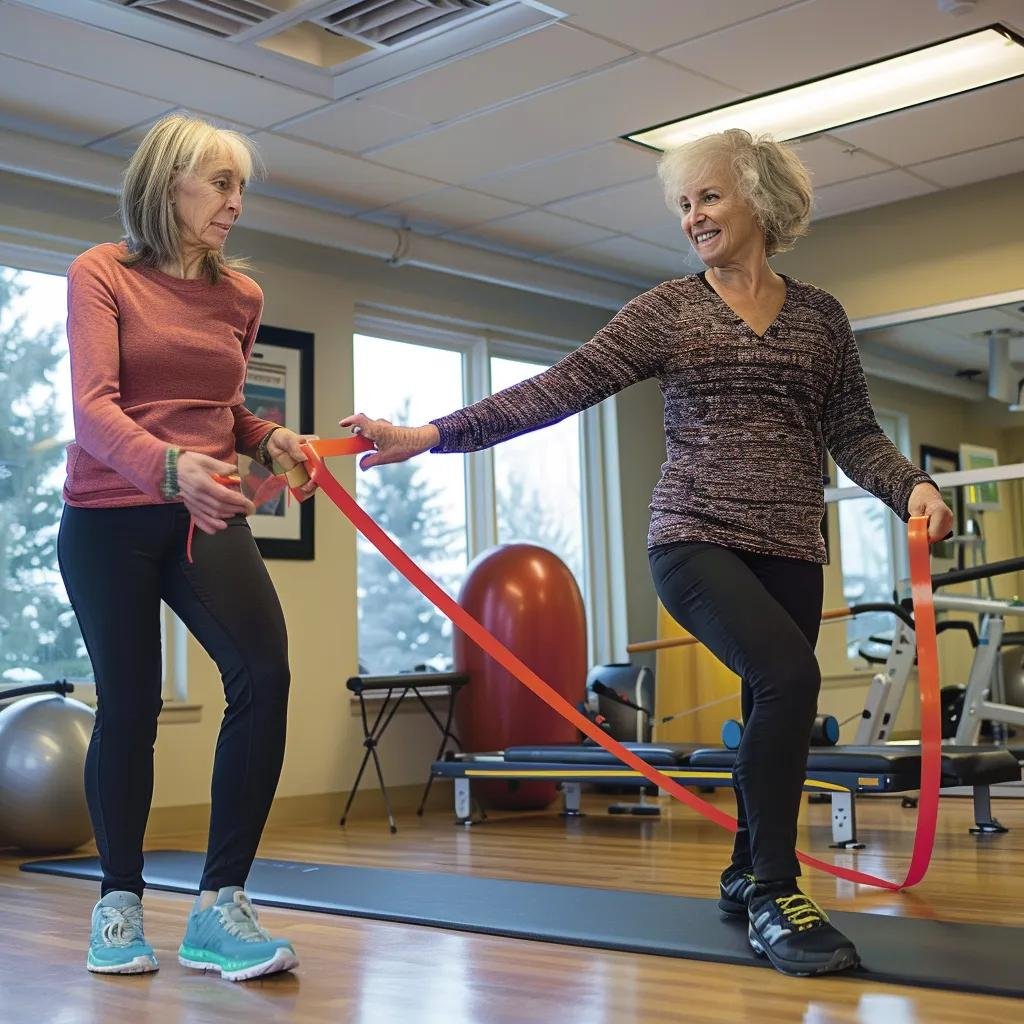

Living with a lung condition can affect how you move, work, and manage everyday activities. Pulmonary rehabilitation provides a structured approach to improving breathing, and they help you feel more capable physically. When these strategies become part of your regular health routine, they can support better long-term management and help you maintain a more active lifestyle. Here are some tips for integrating pulmonary rehab into your health routine:
Understand Your Diagnosis
Understanding your lung condition is the first step toward managing it effectively. Your care team will explain how your diagnosis affects airflow, oxygen levels, and stamina. This knowledge helps you identify changes in your breathing, and you can better follow strategies that support your lung health. Knowing key numbers, such as your oxygen saturation levels, also gives you a clear baseline to track your progress over time. When you have a solid grasp of your condition, you can better understand why certain activities are recommended and why others need to be modified.
Since many people take inhalers, oxygen, or oral medications, medication schedules require attention, and consistent adherence helps maintain treatment effectiveness. You should also understand what each treatment is for and what side effects are possible. When you can connect your diagnosis to your treatment plan, you participate more fully in conversations with your providers.
Learn Breathing Techniques
Breathing techniques form a core part of many pulmonary rehab programs. Two common methods are:
- Pursed-lip breathing: This technique slows your breath and keeps your airways open longer, which helps during moments of shortness of breath.
- Diaphragmatic breathing: This trains the muscle beneath your lungs to do more of the work, easing strain on your chest and shoulders.
A respiratory therapist will guide your technique and correct mistakes early on; this helps verify that you perform the exercises correctly and gain the greatest benefit from each session. Set aside a few minutes each day to repeat the exercises, since steady practice builds familiarity. Over time, these techniques should become a natural response when breathing feels harder.
Get Exercise Training
Exercise training as part of pulmonary rehab is supervised; this makes sure activities are performed safely and adjusted to match your abilities. Your care team designs a routine based on your current fitness level and diagnosis. Sessions often combine aerobic activity, like walking on a treadmill, with strength work using resistance bands. Specialists monitor your heart rate, oxygen levels, and breathing throughout each session.
Progress happens gradually. You might begin with short intervals and rest often, then extend your activity as your stamina adjusts. Stretching and flexibility work are usually included to keep your joints and muscles ready for movement. Your team will show you how to recognize when to slow down or stop, which protects you during each workout.
Many programs teach you how to continue exercising safely at home. You learn warm-up steps, pacing strategies, and ways to track your effort. Keeping a log of your sessions helps you and your providers see patterns over time. The aim is to give you tools that fit into your weekly routine, not a temporary fix. Follow the plan your team provides, and report any new symptoms before your next scheduled visit.
Learn More About Pulmonary Rehab
Integrating pulmonary rehab into your health routine can help you improve daily function and better manage the challenges of living with a lung condition. By staying consistent with your treatment plan, you create habits that support your overall well-being. Work with your care team to adjust your routine as your needs change, so you can continue working toward a more active lifestyle. Contact a pulmonary clinic today to schedule an evaluation.