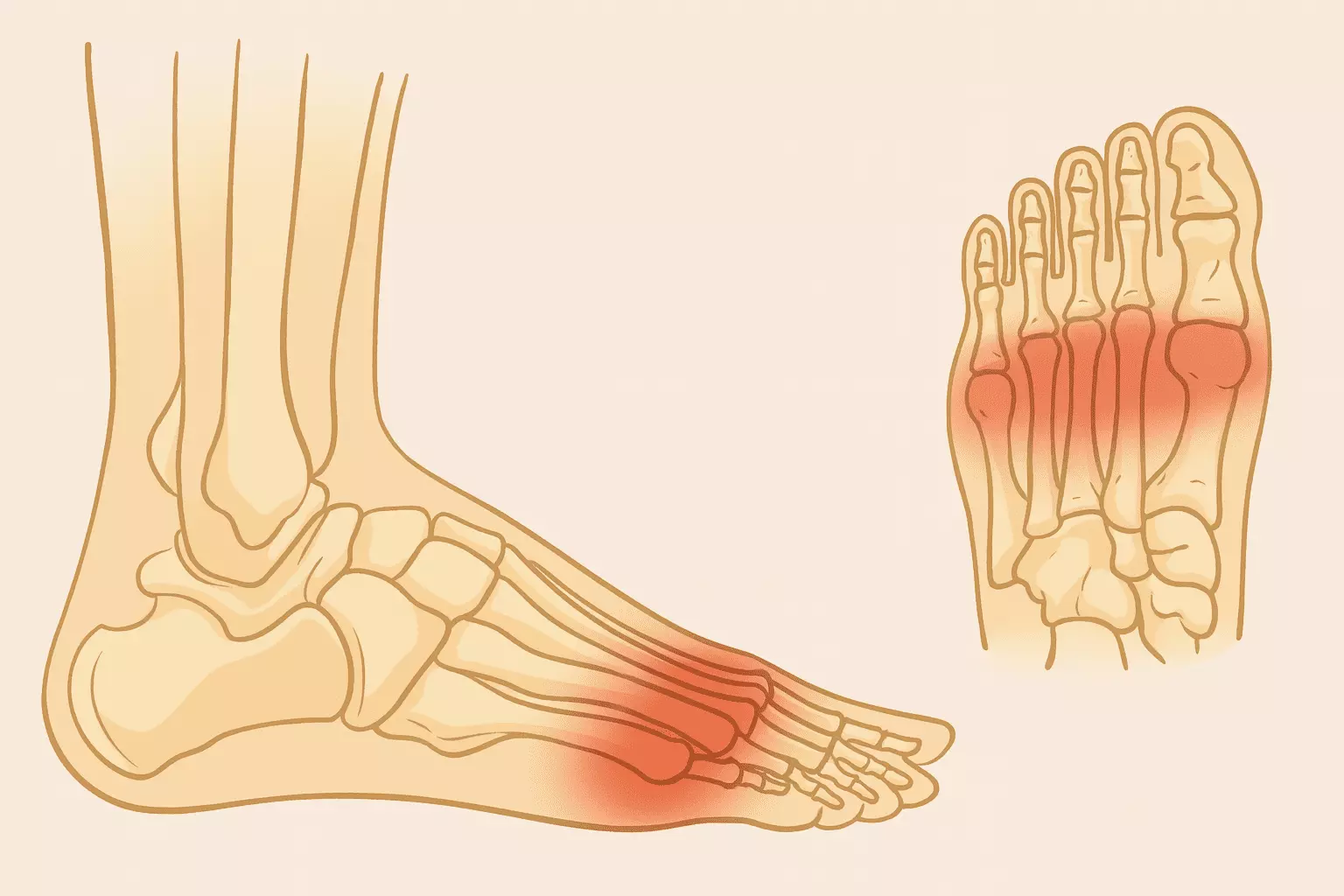

A bunion forms on the outer edge of the foot at the base of the big toe. It develops when the big toe gradually leans toward the second toe; this pushes the joint outward and changes the shape of the forefoot. Because your shoes press against this joint, your footwear directly affects how your feet feel throughout the day. Here are some benefits of proper footwear for bunions:
Reduces Pressure
Choosing shoes with enough room for the toes helps relieve pressure on a bunion and reduce irritation. Tight shoes squeeze the forefoot. When the toe box is narrow or pointed, the side of the shoe presses directly against the bunion. This friction may lead to soreness, redness, calluses, or swelling around the joint. A wider toe box gives the joint more room, so shoes with a rounded or square front let your toes lie flat and spread naturally.
Seams also matter. If a shoe’s seam runs across the bunion, it may create a pressure point that adds irritation over time. Some people prefer shoes with adjustable closures, such as laces or straps; these let you loosen the fit as your feet swell. Shop for shoes in the afternoon, when your feet are at their largest. Leaving space between your longest toe and the end of the shoe helps prevent your toes from pressing against the front.
Improves Weight Distribution
Every step places weight on the ball of the foot. When bunions are present, the big toe joint shifts out of position, so weight moves toward the smaller toes and the outer forefoot. This may contribute to pain when walking or to new calluses. Supportive shoes spread weight across a larger area. A cushioned midsole absorbs impact from walking, while a firm heel counter helps the foot land more evenly. Arch support also plays a role. It supports the middle of the foot, and it keeps it from collapsing inward. This spreads pressure more evenly from heel to toe.
Supports Joint Alignment
Although shoes do not reverse a bunion, the right pair helps limit stress on the joint during daily activity. Footwear with a stable sole reduces overpronation, which is the excess inward rolling of the foot. This rolling adds strain to the big toe joint. Pick shoes that bend at the ball of the foot but stay firm through the middle. Shoes that twist easily offer little control. To further support joint alignment, a podiatrist may recommend:
- Orthotic inserts: These custom or over-the-counter devices fit inside many shoes and add structure under the arch and heel.
- Toe spacers: These fit between the big toe and second toe to help reduce rubbing and provide gentle separation while wearing shoes.
- Bunion splints: These supports help keep the big toe straight, and they provide temporary relief from pressure.
Treat Bunions Today
Footwear is one part of managing bunions, and it works alongside guidance from a foot specialist. A podiatrist examines your feet, reviews your symptoms, and discusses options ranging from shoe changes to orthotics. Schedule an appointment with a podiatrist today to talk about bunion treatments.