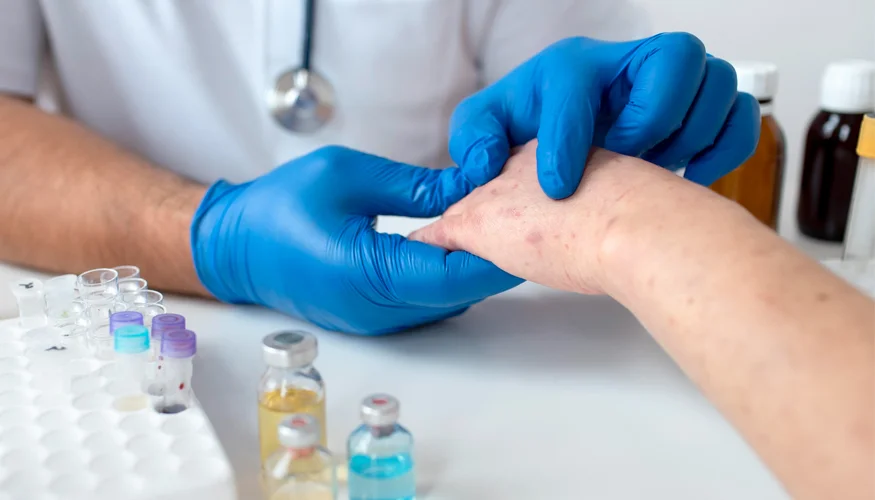

Allergies are becoming more common around the world. Many people suffer from sneezing, skin rashes, breathing problems, food reactions, and other unexplained symptoms without knowing the real cause. This is where an allergy testing and immunology specialist clinic plays an important role. These clinics help identify what triggers allergic reactions and provide proper treatment plans to improve quality of life.
- What is an Allergy?
- What is an Allergy Testing and Immunology Specialist Clinic?
- Why is Allergy Testing Important?
- Common Types of Allergy Tests
- What Happens During a Visit?
- Conditions Treated in These Clinics
- Benefits of Visiting a Specialist Clinic
- Accurate Diagnosis
- Personalized Treatment
- Better Quality of Life
- Prevention of Severe Reactions
- Expert Care
- How to Choose the Right Allergy Clinic
- Common Myths About Allergy Testing
- Living with Allergies: Simple Tips
- Conclusion
In this article, we will explain what allergy testing is, what immunology specialists do, how clinics work, and why they are important. Everything is written in simple and easy English so everyone can understand.
What is an Allergy?
An allergy is a reaction of your immune system to something that is usually harmless. These things are called allergens. Common allergens include:
- Dust and pollen
- Pet hair or dander
- Certain foods like peanuts, milk, or eggs
- Insect bites
- Medicines
- Mold or chemicals
When a person with allergies comes into contact with these triggers, their body reacts strongly. This can cause symptoms like sneezing, itching, swelling, coughing, skin rashes, or even serious breathing problems.
What is an Allergy Testing and Immunology Specialist Clinic?
An allergy testing and immunology specialist clinic is a medical center where doctors who specialize in allergies and immune system diseases work together. These specialists are called immunologists or allergists.
Their main job is to:
- Find out what is causing your allergy
- Test your immune system response
- Treat allergy-related conditions
- Help prevent future allergic reactions
These clinics are equipped with advanced tools and tests to accurately identify allergies. They do not just treat symptoms; they find the root cause of the problem.
Why is Allergy Testing Important?
Many people live with allergies without knowing it. They may take medicines for symptoms like headaches, skin irritation, or coughing, but the real cause remains untreated.
Allergy testing is important because it:
- Identifies exact allergens
- Helps avoid triggers in daily life
- Reduces long-term health problems
- Improves breathing and skin conditions
- Prevents severe allergic reactions
Once the cause is known, treatment becomes much more effective.
Common Types of Allergy Tests
At an allergy testing and immunology specialist clinic, different types of tests are used depending on symptoms.
1. Skin Prick Test
This is the most common test. Small amounts of allergens are placed on the skin, usually on the arm or back. The skin is then lightly pricked. If redness or swelling appears, it means there is an allergy.
2. Blood Test
A blood sample is taken to measure how the immune system reacts to specific allergens. This is useful for people who cannot take skin tests.
3. Patch Test
This test is used for skin allergies. Small patches with allergens are placed on the skin for 1–2 days to see if there is a reaction.
4. Food Allergy Test
This test checks reactions to different foods. It helps identify food that may cause stomach pain, rashes, or breathing issues.
5. Lung Function Test
For patients with asthma or breathing problems, lung tests help check how well the lungs are working.
What Happens During a Visit?
When you visit an allergy testing and immunology specialist clinic, the process usually includes:
- Medical history discussion – The doctor asks about your symptoms, lifestyle, and family history.
- Physical examination – A basic check-up is done.
- Testing – One or more allergy tests are performed.
- Results analysis – The specialist studies the results carefully.
- Treatment plan – A personalized plan is created for you.
This plan may include medications, lifestyle changes, or allergy avoidance strategies.
Conditions Treated in These Clinics
An allergy and immunology clinic treats many conditions such as:
- Asthma
- Skin allergies (eczema, hives)
- Food allergies
- Seasonal allergies (hay fever)
- Sinus problems
- Drug allergies
- Immune system disorders
These clinics focus on both short-term relief and long-term management.
Benefits of Visiting a Specialist Clinic
There are many advantages of going to a specialized clinic instead of self-treating:
Accurate Diagnosis
You get to know the exact cause of your allergy instead of guessing.
Personalized Treatment
Every patient receives a different treatment plan based on their condition.
Better Quality of Life
Symptoms like itching, sneezing, or breathing difficulty reduce significantly.
Prevention of Severe Reactions
Early diagnosis can prevent life-threatening allergic reactions.
Expert Care
Specialists understand the immune system deeply and provide advanced care.
How to Choose the Right Allergy Clinic
If you are looking for an allergy testing and immunology specialist clinic, consider the following:
- Qualified and experienced doctors
- Availability of modern testing equipment
- Clean and safe environment
- Good patient reviews
- Clear communication and support
- Easy appointment system
Choosing the right clinic ensures better results and proper care.
Common Myths About Allergy Testing
Many people believe wrong things about allergies. Let’s clear some myths:
Myth 1: Allergies are not serious
Fact: Some allergies can be life-threatening if untreated.
Myth 2: Allergy tests are painful
Fact: Most tests are simple and cause little or no pain.
Myth 3: Allergies go away on their own
Fact: Some may reduce, but many need proper treatment.
Myth 4: Only children have allergies
Fact: Adults can develop allergies at any age.
Living with Allergies: Simple Tips
Even after treatment, managing allergies is important. Here are some simple tips:
- Avoid known triggers
- Keep your home clean and dust-free
- Wash hands and clothes regularly
- Follow your doctor’s advice
- Carry emergency medication if needed
- Eat a healthy diet
These habits can greatly reduce allergy problems.
Conclusion
An allergy testing and immunology specialist clinic plays a very important role in diagnosing and treating allergies and immune system disorders. Instead of guessing the cause of symptoms, these clinics use scientific tests to find the exact problem. With proper diagnosis and treatment, patients can live healthier and more comfortable lives.
If you often suffer from unexplained sneezing, rashes, breathing issues, or food reactions, visiting a specialist clinic is the best step toward long-term relief.
Frequently Asked Questions (FAQs)
1. What is the main purpose of an allergy testing and immunology specialist clinic?
The main purpose is to identify allergens causing reactions and provide proper treatment for allergy and immune system problems.
2. Is allergy testing safe?
Yes, allergy testing is very safe. It is done under medical supervision by trained specialists.
3. How long does allergy testing take?
Most tests take between 20 minutes to a few hours, depending on the type of test.
4. Can allergies be permanently cured?
Some allergies can be managed well, but not all can be completely cured. However, symptoms can be controlled effectively.
5. Who should visit an allergy clinic?
Anyone who experiences repeated sneezing, skin rashes, breathing problems, food reactions, or unexplained symptoms should visit an allergy clinic.