
Allergies are becoming more common in today’s world. Many people suffer from sneezing, itching, skin rashes, swelling, and other uncomfortable symptoms without knowing the exact cause. This is where a skin allergy testing and immunotherapy clinic plays an important role. These clinics help identify what your body is reacting to and provide long-term treatment to reduce or even stop allergy symptoms.
- What is a Skin Allergy Testing and Immunotherapy Clinic?
- Why Do People Need Allergy Testing?
- What is Skin Allergy Testing?
- Is Skin Allergy Testing Painful?
- What Happens After Allergy Testing?
- What is Immunotherapy?
- Types of Immunotherapy
- How Does Immunotherapy Work?
- Benefits of a Skin Allergy Testing and Immunotherapy Clinic
- 1. Accurate Diagnosis
- 2. Long-Term Relief
- 3. Better Quality of Life
- 4. Reduced Medicine Dependence
- 5. Personalized Treatment
- Who Should Visit an Allergy Clinic?
- What to Expect During Your Visit
- Lifestyle Tips Along with Treatment
- Final Thoughts
In this article, we will explain what these clinics do, how skin allergy testing works, what immunotherapy means, and why these treatments are helpful. Everything is written in simple and easy language so everyone can understand.
What is a Skin Allergy Testing and Immunotherapy Clinic?
A skin allergy testing and immunotherapy clinic is a special medical center where doctors diagnose and treat allergies, especially those that affect the skin and immune system.
These clinics focus on two main things:
- Finding the cause of allergies (testing)
- Treating the allergy from the root (immunotherapy)
Instead of only giving temporary relief like creams or medicines, these clinics try to find the real reason behind your allergy and help your body slowly become less sensitive to it.
Why Do People Need Allergy Testing?
Many people suffer from allergies but do not know what triggers them. Common allergy triggers include:
- Dust mites
- Pollen from plants and flowers
- Pet hair or dander
- Certain foods like nuts or seafood
- Insect bites
- Chemicals in soaps or perfumes
Without testing, it is very hard to know the exact cause. A skin allergy testing clinic helps solve this mystery.
For example, someone may think their rash is due to food, but testing may show it is actually caused by dust or detergent.
What is Skin Allergy Testing?
Skin allergy testing is a simple medical procedure used to find out what substances cause an allergic reaction in your body.
There are a few common types of skin tests:
1. Skin Prick Test
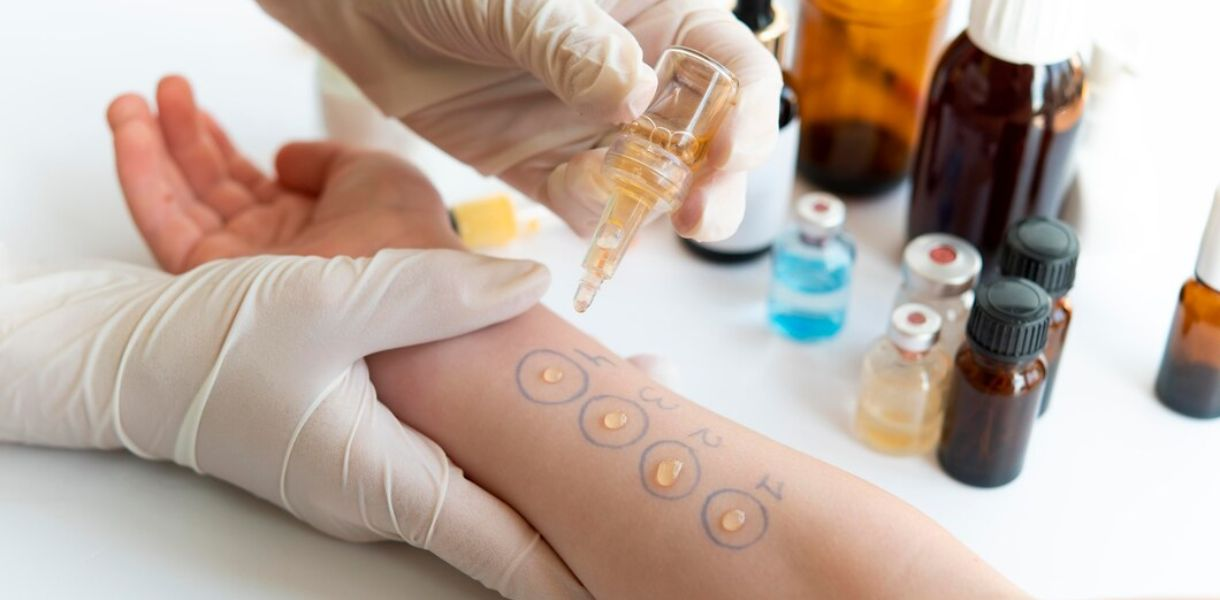
In this test, the doctor places a tiny drop of different allergens on your skin, usually on your arm or back. Then, they gently prick the skin. If you are allergic to a substance, a small red bump or itching will appear within 15–20 minutes.
2. Patch Test
In this test, small patches with allergens are placed on your skin and left for 24–48 hours. This is usually used for skin contact allergies like reactions to metals, perfumes, or cosmetics.
3. Intradermal Test
A small amount of allergen is injected just under the skin. This test is more sensitive and is used when other tests are unclear.
Is Skin Allergy Testing Painful?
Many people worry that allergy testing might hurt. The truth is:
- Skin prick tests feel like a light scratch
- Patch tests are completely painless
- Intradermal tests may feel like a small injection pinch
Overall, the discomfort is very mild and temporary. Most people, including children, handle it easily.
What Happens After Allergy Testing?
After testing, the doctor studies your skin reactions and prepares a report. This report shows exactly what substances you are allergic to.
The doctor then suggests a treatment plan which may include:
- Avoiding allergens
- Medicines for symptom relief
- Skin creams for itching or rashes
- And most importantly, immunotherapy if needed
What is Immunotherapy?
Immunotherapy is a long-term treatment that helps your body get used to allergens so that it no longer reacts strongly to them.
Instead of just treating symptoms, immunotherapy works on the immune system itself.
It is often called “allergy vaccination” because it slowly trains your body to stop overreacting.
Types of Immunotherapy
There are two main types:
1. Allergy Shots (Injection Immunotherapy)
In this method, small doses of allergens are injected into your body over time. The dose slowly increases so your immune system becomes stronger and less sensitive.
2. Sublingual Immunotherapy (SLIT)
In this method, allergen drops or tablets are placed under the tongue. It is easy to take and often used for dust, pollen, or grass allergies.
How Does Immunotherapy Work?
Immunotherapy works like training your immune system.
At first, your body sees the allergen as harmful. But when it is exposed to small controlled amounts regularly, it slowly learns that it is not dangerous.
Over time:
- Allergy symptoms reduce
- Medicine use decreases
- Body becomes more stable against triggers
Treatment usually takes several months to years, but results can be long-lasting.
Benefits of a Skin Allergy Testing and Immunotherapy Clinic
Visiting such a clinic has many advantages:
1. Accurate Diagnosis
You find out the exact cause of your allergy instead of guessing.
2. Long-Term Relief
Immunotherapy can reduce or even stop allergies permanently in some cases.
3. Better Quality of Life
Less itching, sneezing, and skin problems mean better sleep and daily comfort.
4. Reduced Medicine Dependence
Over time, you may not need constant allergy medicines.
5. Personalized Treatment
Every patient gets a treatment plan based on their specific allergy profile.
Who Should Visit an Allergy Clinic?
You should consider visiting a skin allergy testing and immunotherapy clinic if you have:
- Frequent skin rashes or itching
- Constant sneezing or blocked nose
- Allergies that do not improve with normal treatment
- Unknown triggers causing discomfort
- Seasonal allergies every year
- Asthma linked with allergies
Even children can be tested safely in most cases.
What to Expect During Your Visit
A typical visit includes:
- Consultation with an allergy specialist
- Medical history discussion
- Skin allergy testing
- Results and diagnosis
- Treatment plan or immunotherapy schedule
The process is simple and usually done in one or two visits for testing.
Lifestyle Tips Along with Treatment
Doctors often recommend simple lifestyle changes such as:
- Keeping your home dust-free
- Avoiding known allergens
- Using mild soaps and detergents
- Washing bedding regularly
- Avoiding outdoor exposure during high pollen seasons
These steps help improve treatment results.
Final Thoughts
A skin allergy testing and immunotherapy clinic is a modern solution for people suffering from long-term allergies. Instead of guessing or only treating symptoms, these clinics focus on finding the root cause and offering long-term relief through advanced testing and immune system treatment.
If you or someone you know struggles with constant allergies, visiting such a clinic can be a life-changing step toward better health and comfort.
FAQs
1. Is skin allergy testing safe for children?
Yes, skin allergy testing is safe for children. Doctors use very small and controlled amounts of allergens.
2. How long does allergy testing take?
Most skin tests take around 20 to 40 minutes, but patch tests may require 1 to 2 days.
3. Can immunotherapy completely cure allergies?
Immunotherapy can greatly reduce or even eliminate symptoms in many people, but results vary from person to person.
4. Are there side effects of immunotherapy?
Some people may have mild swelling or redness at the injection site, but serious side effects are rare.
5. How long does immunotherapy treatment last?
It usually lasts 3 to 5 years for long-term and lasting results.