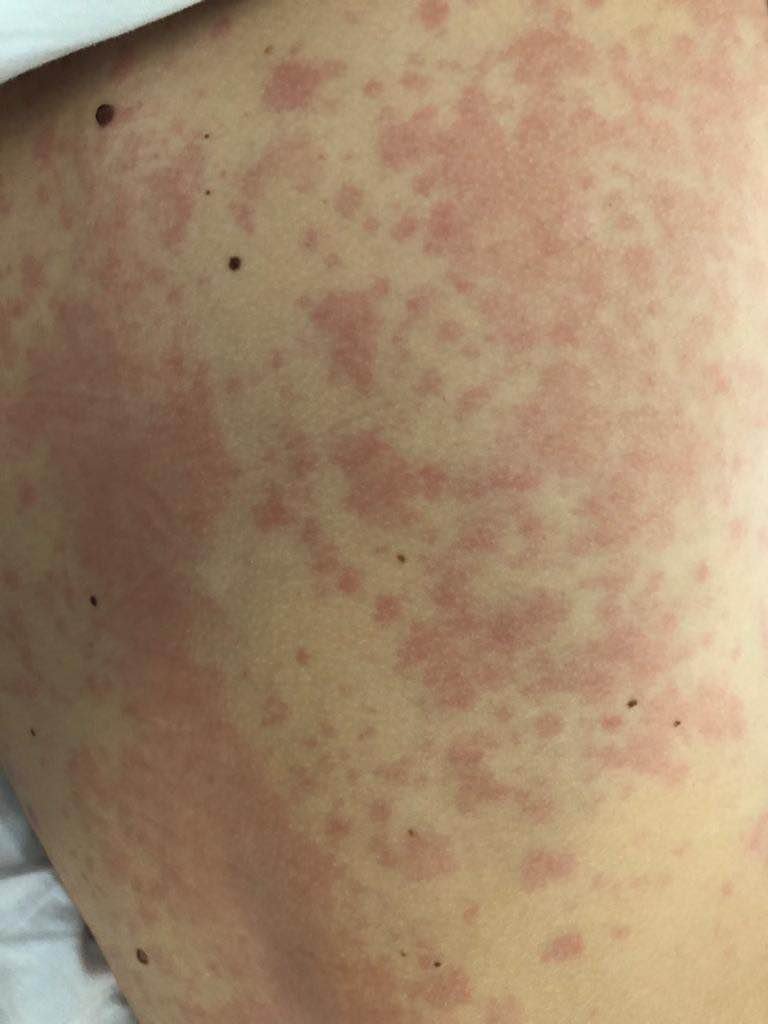

Drug allergies in children may cause skin rashes, hives, swelling, or breathing difficulties after taking certain medications. Parents should contact a healthcare provider when symptoms develop, and severe breathing difficulties require immediate emergency medical attention. Because allergic reactions vary in severity, medical evaluation helps identify potential triggers and guide future medication decisions. Here is more information about recognizing drug allergies in children:
Identifying Symptoms in Children
Drug allergies in children may cause symptoms affecting the skin, respiratory system, and other areas of the body. Skin reactions often involve itching or swelling, while some children experience nasal symptoms or changes in breathing. Common signs of a possible drug allergy include:
- Developing swelling beneath the skin
- Experiencing skin rashes
- Noticing hives or raised welts
- Developing wheezing or breathing changes
- Experiencing itchy or watery eyes
- Having a runny nose
- Developing a fever
Anaphylaxis is a severe allergic reaction that may involve breathing difficulties, throat swelling, dizziness, or loss of consciousness. Symptoms can develop rapidly, and this reaction requires immediate emergency treatment. If a child develops signs of anaphylaxis, administer prescribed epinephrine immediately and call emergency services.
Distinguishing Allergies From Side Effects
Drug allergies involve an immune system response, while medication side effects occur through other processes. Common side effects include drowsiness, nausea, or stomach discomfort, and these reactions do not necessarily indicate an allergy. Because symptoms sometimes overlap, a healthcare provider may review the child’s medication history and reactions to distinguish between them. This evaluation provides information for determining whether additional allergy testing or medication changes are appropriate.
Spotting Common Trigger Medications
Certain medications are associated with allergic reactions in children, although individual responses vary. Antibiotics and pain relievers are among the possible triggers, while other medication categories might also cause immune system reactions. Medications associated with drug allergies include:
- Taking pain relievers such as aspirin or ibuprofen
- Using antibiotics such as penicillin
- Receiving medications for autoimmune conditions
- Undergoing treatment with chemotherapy drugs
Because medication reactions have different causes, a healthcare provider may review symptoms and medication history to identify possible triggers.
Treating Confirmed Drug Allergies
Treatment for confirmed drug allergies depends on the medication involved and the severity of the reaction. A healthcare provider may recommend discontinuing the suspected medication, while alternative treatments might be available for the underlying condition. Because medication needs vary, treatment decisions involve reviewing the child’s medical history and allergy symptoms.
Antihistamines may address mild allergic symptoms such as itching or hives. Corticosteroids can address certain inflammatory reactions, while epinephrine serves as the first-line treatment for anaphylaxis. Severe allergic reactions require immediate emergency medical attention.
Drug desensitization provides another approach for selected patients who require a medication associated with a confirmed allergy. This process involves administering gradually increasing doses under medical supervision, and it requires careful monitoring for allergic reactions. Because desensitization is not appropriate for every allergy, a specialist evaluates the child’s condition before discussing this option.
Schedule With an Allergy Specialist
Drug allergies in children may cause skin reactions, swelling, or breathing difficulties after taking certain medications. Parents should report suspected reactions to a healthcare provider, and documenting symptoms provides information for further evaluation. Because medication reactions vary, an allergist can review medical history, identify possible triggers, and discuss appropriate treatment options. Contact an allergy specialist today to schedule a drug allergy evaluation for your child.